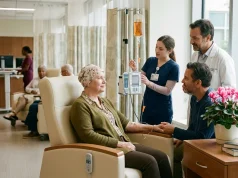


In this article, we explore five essential domains that influence outcomes during cancer therapy and beyond: nourishing the body, incorporating gentle physical activity, staying on schedule with treatments, nurturing emotional strength, and leveraging practical resources. Each section offers actionable guidance informed by leading authorities such as the American Cancer Society and the National Cancer Institute (NCI). As you read, you’ll find specific recommendations, expert insights, and reputable external links to deepen your understanding.
Throughout this year , healthcare teams emphasize personalized care plans that account for individual preferences, side effects, and lifestyle factors. By weaving these strategies into your daily routine, you can navigate the complexities of therapy with greater confidence and hope. Let’s embark on this journey together toward more empowered cancer care and recovery, where each step forward builds momentum toward healing.
Importance of Balanced Nutrition in Cancer Care and Recovery

Proper nourishment serves as the cornerstone of resilience during treatment. When the body confronts therapies like chemotherapy or radiation, it relies on essential nutrients to facilitate cellular repair, maintain immune defenses, and preserve strength. Focusing on whole, unprocessed foods—lean proteins, vibrant fruits, and wholesome grains—ensures a broad spectrum of vitamins, minerals, and antioxidants.
Key Nutrient Groups
Proteins play a vital role in tissue regeneration. Options such as fish, poultry, legumes, and low-fat dairy supply the building blocks for muscle maintenance. Complex carbohydrates—whole-wheat bread, brown rice, and oats—offer sustained energy levels, helping to counteract treatment-related fatigue. Additionally, fruits and vegetables rich in color deliver potent antioxidants that support cellular health.
Small, Frequent Meals
Treatment side effects like nausea, taste alterations, and diminished appetite may make large meals daunting. Instead, aim for five to six mini-meals daily, each containing a balance of protein, carbs, and healthy fats. Snacks like Greek yogurt with berries, hummus with whole-grain crackers, or a handful of nuts can boost calorie intake without overwhelming the digestive system.
Hydration Strategies
Inadequate fluid intake can exacerbate fatigue, dry mouth, and constipation. Setting daily goals—such as eight glasses of water—helps maintain optimal hydration. If plain water becomes monotonous, infuse beverages with slices of cucumber, lemon, or mint for added appeal. Herbal teas (with physician approval) also provide comfort and fluid support.
Expert Guidance
Consulting a registered dietitian specializing in oncology is invaluable. These professionals tailor meal plans to accommodate side effects, dietary restrictions, and cultural preferences. They draw upon resources like the American Cancer Society guidelines to fine-tune macronutrient and micronutrient ratios. Such personalized advice can dramatically improve treatment tolerance and overall quality of life.
Incorporating Regular Movement for Enhanced Healing

Physical activity is a powerful ally in the recovery process, counteracting fatigue, preserving muscle mass, and uplifting mood. Even gentle exercises performed consistently can yield significant benefits for individuals navigating cancer care and recovery.
Designing a Safe Exercise Plan
Before embarking on any routine, obtain clearance from your oncology team. A certified cancer-exercise specialist can develop a program that aligns with surgery recovery, chemotherapy cycles, and fluctuating energy levels. Starting slow—perhaps Tento 15 minutes per day of walking or stretching—minimizes the risk of injury and builds confidence.
Types of Beneficial Activities
Low-impact exercises such as yoga, tai chi, and water aerobics promote flexibility, balance, and cardiovascular health. Strength-building moves using resistance bands or light weights help retain lean muscle mass. Incorporating shorter sessions throughout the day—five minutes of leg lifts or seated marches—can be just as effective as longer workouts when scheduling is tight.
Overcoming Common Barriers
Treatment side effects like neuropathy or joint pain may pose obstacles. If one activity causes discomfort, explore alternatives—chair yoga, adaptive cycling, or gentle Pilates. Tracking progress with a simple journal or digital app can reveal trends in stamina and mood, motivating you to adjust intensity gradually.
Evidence-Based Benefits
According to research published by the National Cancer Institute, survivors who maintain physical activity levels report improved quality of life and reduced recurrence risk. Exercise also aids in managing treatment-related side effects, including fatigue and loss of appetite. Emphasizing movement as part of a comprehensive care plan empowers patients to take an active role in their recovery journey.
Optimizing Treatment Appointments and Medication Management
Consistency in attending medical appointments and adhering to prescribed therapies directly impacts outcomes. Proactive organization, clear communication, and leveraging support services streamline this aspect of cancer care and recovery.
Creating a Centralized Schedule
Utilize a paper planner or mobile application to chart chemotherapy sessions, radiation treatments, imaging studies, laboratory draws, and specialist consultations. Color-coding appointments by type enhances visual clarity. Set automated reminders for upcoming visits, and build in buffer time for travel, paperwork, and rest.
Facilitating Clear Communication
Having a companion—family member or friend—at appointments can be invaluable. They help document important details, pose additional questions, and provide emotional reassurance. Prepare a prioritized list of symptoms, medication adjustments, or side-effect concerns to discuss during each visit.
Managing Medications Accurately
Complex regimens often involve multiple prescriptions with varying dosages and schedules. A pill organizer or dosage chart simplifies retrieval and reduces the risk of missed doses. Pharmacists can review potential drug interactions and recommend strategies to manage side effects. If copayments or insurance coverage present hurdles, ask about patient assistance programs or financial counseling through the hospital’s social work department.
Transportation and Support Services
Reliable transportation significantly affects appointment adherence. Local cancer support organizations and hospital social workers often coordinate ride services for eligible patients. For financial aid, explore national resources such as CancerCare, which offers assistance with treatment-related expenses. Early planning prevents last-minute stress and ensures uninterrupted therapy.
Supporting Emotional Well-Being and Stress Reduction
Addressing the psychological impact of a cancer journey is as crucial as managing physical symptoms. Effective stress management and emotional support enhance resilience, reinforce coping skills, and foster a positive outlook.
Mind-Body Techniques
Practices such as mindfulness meditation, deep breathing, and progressive muscle relaxation help decrease anxiety and improve sleep quality. Set aside five to ten minutes daily to engage in guided auditory exercises available through reputable apps or online platforms affiliated with institutions like the National Institute of Mental Health.
Counseling and Psycho-Oncology
Licensed therapists experienced in oncology care provide tailored support for individuals and families. Many cancer centers offer psycho-oncology services at low or no cost, addressing depression, fear, and adjustment challenges. Group therapy and peer-led meetings also foster camaraderie.
Creative Outlets
Engaging in journaling, painting, music, or other artistic pursuits offers emotional release and self-expression. Creative activities serve as healthy distractions and can be integrated into a daily routine without significant cost or equipment.
Community and Peer Support
Online forums and local support groups connect you with others who share similar experiences. Whether virtual or in-person, these communities exchange practical tips, offer encouragement, and diminish feelings of isolation. In today’s digital landscape, maintaining social bonds is easier than ever, with platforms tailored specifically for cancer survivors and caregivers.
Building a Comprehensive Support System and Resource Planning

A robust network of professional, personal, and community resources helps lighten the emotional and practical load of cancer care and recovery. Strategic planning ensures that you and your loved ones receive the assistance needed at every phase.
Engaging Family and Friends
Transparent communication about caregiving roles allows friends and relatives to contribute effectively. Assign tasks such as meal preparation, grocery shopping, transportation, or pet care. Online scheduling tools and shared calendars prevent duplication and keep everyone informed.
Professional Home Care Services
If medical needs in the home exceed informal support, explore visiting nurse services or licensed home health aides. These professionals help with wound care, medication administration, mobility assistance, and safety evaluations. Early coordination with your healthcare team ensures seamless integration of these services.
Financial and Legal Assistance
Costs associated with treatment, medications, and daily living can accumulate rapidly. A hospital social worker or financial counselor guides you through insurance benefits, disability applications, and potential grants. Organizations like the American Cancer Society and local foundations provide zero-interest loans, copay assistance, and nutritional stipends.
Complementary and Integrative Resources
Incorporating supportive modalities—acupuncture, massage therapy, music therapy, or guided imagery—often enhances comfort and reduces symptoms. Always inform your primary oncology provider before adding new services to verify safety and appropriateness.
Tracking Progress and Celebrating Milestones
Maintaining a journal or progress chart highlights achievements, from completing treatment cycles to reaching daily activity goals. Celebrating small victories—perhaps a restorative walk in the park or a successful meal plan—reinforces a sense of accomplishment and keeps motivation high.
Conclusion
Embarking on a journey of comprehensive cancer care and recovery demands deliberate attention to multiple facets of health and well-being. By adopting balanced nutrition, integrating gentle exercise, optimizing treatment schedules, nurturing mental health, and leveraging support networks, individuals can positively influence their healing trajectory. This year (2026), medical teams advocate for personalized strategies that honor each person’s unique needs, preferences, and challenges.
While the path may feel overwhelming at times, small, consistent steps foster resilience and hope. Use credible external resources, open communication, and the collective strength of family, friends, and professionals to navigate obstacles. Remember: every meal enjoyed, every appointment attended, and every positive thought serves as a building block toward sustained recovery. With knowledge, compassion, and community support, success in cancer care and recovery is within reach.
Frequently Asked Questions
1. What are the most important lifestyle changes during cancer treatment?
Adopting healthy lifestyle habits can significantly improve treatment outcomes and overall well-being. Focus on balanced nutrition, regular light exercise, proper hydration, and adequate rest. Avoid smoking and limit alcohol intake. Maintaining a consistent routine and following medical advice closely also helps your body cope better with treatments and supports long-term recovery.
2. How can I manage side effects from cancer treatments effectively?
Managing side effects involves open communication with your healthcare team and proactive care strategies. Use prescribed medications, maintain hydration, and adjust your diet to reduce discomfort. Gentle physical activity and adequate rest can help. Keeping a symptom diary allows you to track patterns and discuss timely adjustments with your doctor for better relief.
3. What types of foods are best during cancer recovery?
Nutrient-dense foods play a key role in recovery. Include lean proteins, whole grains, fruits, vegetables, and healthy fats in your meals. Small, frequent meals can help if appetite is low. Avoid highly processed foods. Consulting a dietitian ensures your nutritional needs are met while addressing treatment-related side effects and maintaining energy levels.
4. Is exercise safe during cancer treatment?
Yes, exercise is generally safe when approved by your healthcare provider. Light activities like walking, stretching, or yoga can improve strength, reduce fatigue, and boost mood. Start slowly and listen to your body. Working with a specialist ensures your routine is tailored to your condition, treatment stage, and energy levels safely.
5. How can I stay emotionally strong during cancer treatment?
Emotional resilience is vital during cancer treatment. Practice mindfulness, meditation, or deep breathing exercises to reduce stress. Seek support from friends, family, or support groups. Professional counseling can also help manage anxiety and fear. Engaging in hobbies or creative activities provides a positive outlet for emotions and enhances mental well-being.
6. How do I keep track of my treatment schedule and medications?
Staying organized is essential for successful treatment. Use planners, mobile apps, or pill organizers to manage appointments and medications. Set reminders to avoid missing doses. Keeping a written record of treatments, side effects, and questions helps you communicate effectively with your healthcare team and ensures better coordination of your care.
7. What support resources are available for cancer patients?
Numerous resources are available to support cancer patients. Nonprofit organizations, hospital programs, and community groups offer financial assistance, transportation, counseling, and educational materials. Online forums and support networks also provide emotional encouragement. Connecting with these services helps reduce stress and ensures you receive comprehensive care throughout your journey.
8. Can stress impact cancer recovery?
Yes, chronic stress can affect both physical and emotional health during recovery. High stress levels may weaken the immune system and reduce overall resilience. Incorporating relaxation techniques such as meditation, breathing exercises, or light physical activity can help manage stress. Building a strong support system also plays a crucial role in maintaining emotional balance.
9. How important is hydration during cancer treatment?
Hydration is essential for maintaining energy levels and supporting bodily functions. Drinking enough fluids helps manage side effects like fatigue, constipation, and dry mouth. Water, herbal teas, and nutrient-rich beverages are good choices. Monitoring fluid intake daily ensures your body stays hydrated and supports effective processing of treatments and medications.
10. How can I stay motivated throughout my cancer journey?
Staying motivated can be challenging, but setting small, achievable goals makes a difference. Celebrate progress, no matter how minor. Surround yourself with supportive people and maintain open communication. Keeping a journal, practicing gratitude, and focusing on positive outcomes can strengthen your mindset and help you stay committed to your recovery journey.