
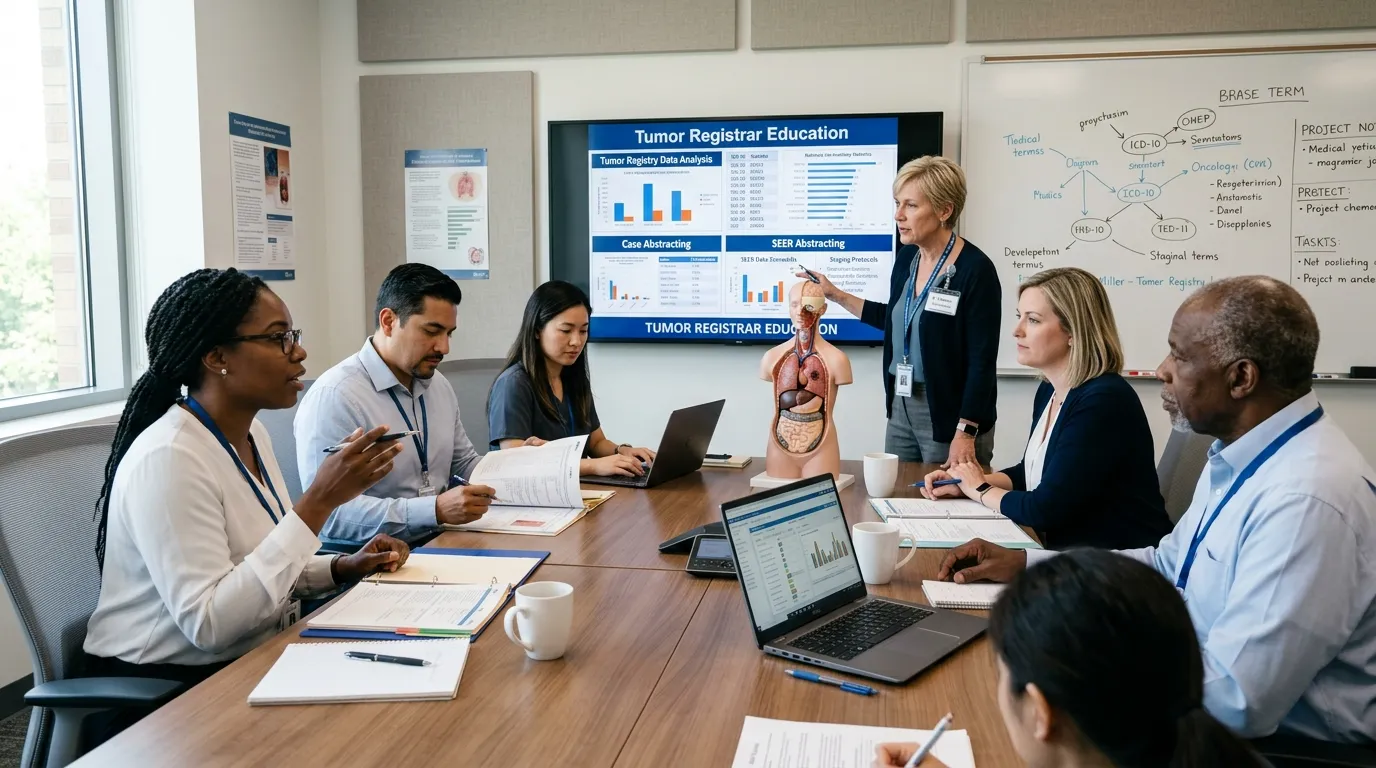
If you want to play a crucial role in the fight against cancer without providing direct clinical care, Tumor Registrar Education is your essential starting point. This specialized education prepares you to analyze patient data, track outcomes, and support oncology research and public health globally.
This comprehensive guide explores every aspect of Tumor Registrar Education. You’ll learn about core requirements for working in oncology registries, the different certification pathways, accredited training programs, essential skills, the job outlook, and what it takes to become a leader in this rapidly-growing field. Actionable tips will help you obtain the right credentials, avoid common mistakes, and thrive as a highly valued cancer data specialist.
Understanding Tumor Registrar Education Requirements
This unique field forms the foundation for a successful career in cancer data collection and healthcare information management. As hospitals, cancer centers, and public health institutions increasingly depend on accurate cancer statistics, the need for skilled professionals in oncology registry roles keeps rising. Completing formal training ensures you’re proficient in medical terminology, anatomy, physiology, and specialized coding systems used throughout oncology. This advanced training bridges raw clinical records and actionable data, making it indispensable for anyone seeking expertise in medical registry operations.
Central to this path is mastering the complex rules of cancer data abstraction. You’ll learn to review electronic medical records, extract essential details about diagnosis, treatment, and ongoing patient care, and enter accurate information into registry software. Quality training programs will familiarize you with standards set by the American College of Surgeons (ACoS) and National Cancer Registrars Association (NCRA), which define how data should be coded, collected, and shared to guide groundbreaking cancer research and effective clinical care.
Additionally, this preparation is your gateway to top professional certifications, such as the Oncology Data Specialist (ODS) credential (formerly the certified tumor registrar [CTR] credential). Navigating the eligibility routes for these credentials is nearly impossible without a strong educational background. Those who complete robust training are best positioned to earn their certification, opening doors to rewarding roles in hospitals, central registries, and national health surveillance initiatives.
The Role of a Cancer Registrar in Healthcare
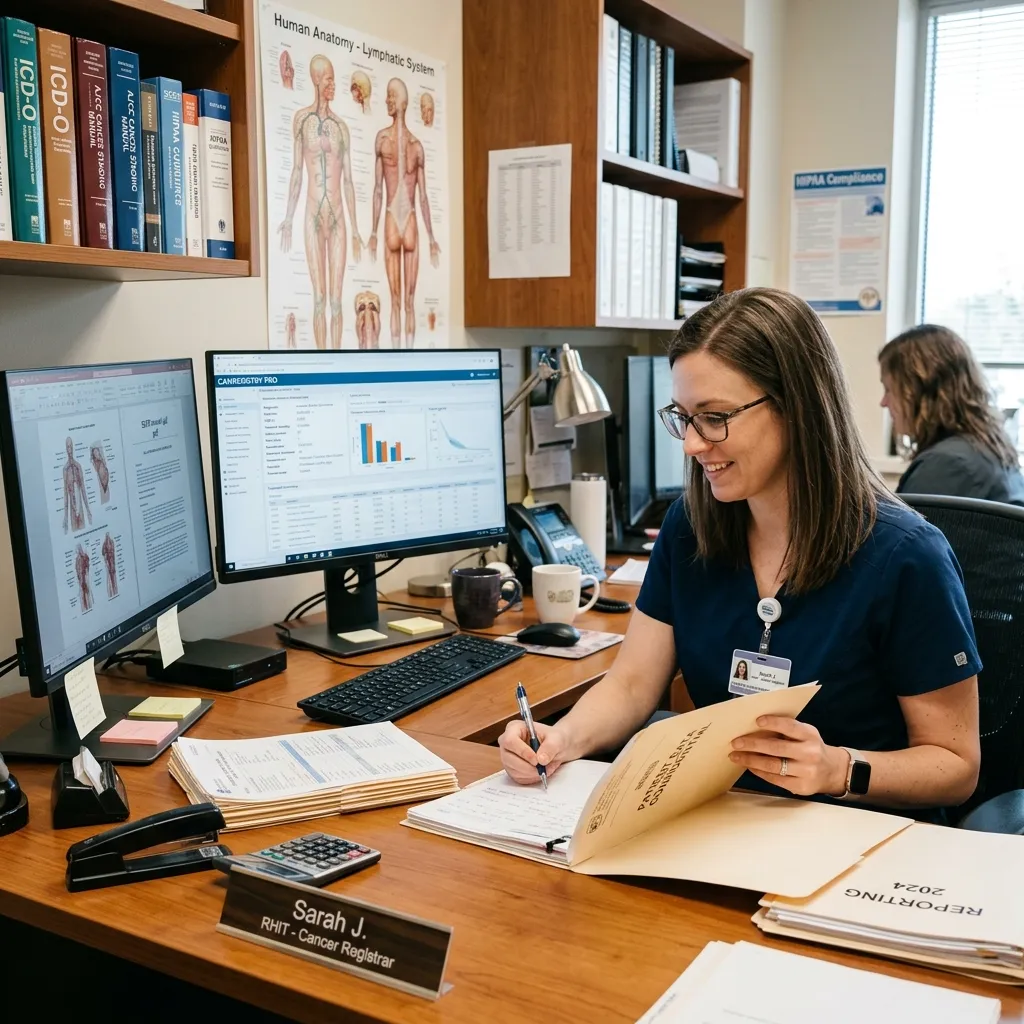
To appreciate the full impact of professional registry certification, you must understand the essential roles these information specialists play each day. With comprehensive training, you’ll become a key figure in capturing patient histories from diagnosis to post-treatment. This work ensures clinical details are abstracted, documented, and anonymized—data that is vital to public health professionals and researchers tracking disease patterns.
Much of your training focuses on compliance and quality assurance. In the United States, correct registry reporting is a legal requirement. Top programs teach you to report validated data to state and federal agencies like the CDC’s National Program of Cancer Registries. You’ll learn to balance patient privacy with enabling large-scale public health research, making you a trusted guardian of information whose meticulous work shapes how healthcare resources are used.
This career path also emphasizes teamwork and collaboration. You’ll become adept at partnering with physicians, pathologists, and hospital administrators—ensuring comprehensive case capture and supporting quality improvement initiatives. Skillful communication learned in training makes you a valued member of tumor boards, cancer committees, and accreditation teams.
Steps to Begin Your Tumor Registrar Education
Starting out in this field requires careful planning and awareness of your options. The first step is assessing your educational background. If you already hold an associate or bachelor’s degree in a health-related field, a focused certificate or post-baccalaureate program can accelerate your entry into hospital registry work.
If you’re new to healthcare, consider a dedicated associate’s degree in cancer registry management. These programs give a thorough foundation, helping you master every aspect of medical data abstraction and compliance from the ground up.
Selecting an NCRA-accredited program is critical for your success. Accreditation ensures the curriculum aligns with the profession’s modern standards, improves employment prospects, and properly prepares you for the ODS/CTR exam. Early coursework will include medical terminology, body systems, and disease processes—providing a foundation for advanced topics like case abstraction and cancer coding.
A hands-on practicum is an essential part of most accredited programs. Expect to complete over 160 hours of clinical training under the supervision of a certified expert. This supervised fieldwork bridges theoretical learning and real-world experience, giving you the practical skills and confidence needed for your first registry position.
Choosing the Right Tumor Registry Training Program

Finding the right educational program is a crucial career decision. Not all certificate or degree options provide the same depth or support. Prioritize NCRA-accredited institutions, as their curriculums are closely aligned with industry requirements and certification exam competencies.
Modern education comes in many formats, including both in-person and online programs. Online study offers flexibility for those working or balancing family commitments. Self-paced modules, virtual classrooms, and expert-moderated discussion boards are hallmarks of reputable online options. However, make sure your chosen program facilitates local supervision for your clinical practicum, as hands-on experience is irreplaceable.
Carefully evaluate the financials when comparing your choices. Review tuition, available scholarships, and job placement statistics. The best programs provide a strong return on investment with proven networking, resume workshops, and direct connections to employers—ensuring your transition from student to registry professional is as seamless as possible.
Curriculum Breakdown
A rigorous course of study covers all the essentials to ensure accuracy and credibility in the cancer registry field. You’ll learn oncology coding and staging in depth, mastering AJCC manuals, SEER Summary Stage, and other critical frameworks for classifying tumor characteristics.
Another fundamental skill set is found in procedures like casefinding—the systematic identification of all reportable cases within a medical facility. Coursework trains you to cross-check pathology and radiology reports, inpatient logs, and more to ensure full and reliable data capture.
Topics on privacy and regulatory requirements are heavily emphasized. HIPAA compliance, the consent process, and best practices for protecting patient confidentiality are built into every class.
Technical competency also matters: you’ll become comfortable with specialized databases, registry reporting software, and statistical analytics. Graduates finish with practical, job-ready skills that allow hospitals and cancer programs to improve outcomes through robust, reliable data.
Comparison of Tumor Registrar Education Formats
|
Feature |
Online Tumor Registrar Education |
In-Person Tumor Registrar Education |
|---|---|---|
|
Schedule Flexibility |
Highly flexible, self-paced learning |
Fixed class times, structured schedule |
|
Location |
Study from anywhere |
Requires commuting to campus |
|
Practicum Setup |
Student often coordinates locally |
Often arranged by the institution |
|
Networking |
Virtual forums, online groups |
Face-to-face interaction with peers |
|
Best For |
Working professionals, remote learners |
Traditional students, hands-on learners |
Common Mistakes to Avoid
Watch out for these pitfalls to ensure a successful path:
- Ignoring basic courses: Don’t attempt advanced abstraction without a firm grasp of medical terminology or anatomy.
- Taking the practicum lightly: This is both a learning and networking opportunity—use it to build relationships and gain practical knowledge.
- Using outdated resources: Always stay current with the latest staging manuals and registry guidelines to maintain accuracy.
Pro Tips for Success
Boost your career with these expert insights:
- Network from the start: Early involvement in groups like the NCRA offers access to mentorship, resources, and ongoing education.
- Develop strong tech skills: Comfort with registry databases and reporting software is a major asset to employers.
- Embrace peer learning: Study groups help solidify understanding of complex coding scenarios and problem-solving methods.
Transitioning to Certification
The main aim is earning your specialist credential, establishing you as a knowledgeable expert in the field. Comprehensive registry education provides the knowledge base; passing the ODS (or CTR) exam, however, calls for targeted review. Consult your program notes regularly, practice real-world abstraction, and complete mock exams for added confidence.
Candidates often bolster their studies with focused exam prep courses and online resources like the National Cancer Institute’s SEER Training Web Site. These tools help transform years of learning into solid strategies for certification.
Remember, professional mastery requires ongoing learning. Continuing education credits are vital to keeping your credential current and your skills aligned with advances in cancer reporting, new therapies, and software tools.
Career Outlook and Value

Graduation from an accredited tumor registry or data analytics program leads to a strong, future-proof healthcare career. With rising rates of cancer detection and the need for high-quality statistics, demand for credentialed data specialists continues to climb—across hospitals, research centers, public health agencies, and the pharmaceutical industry.
Your earning potential is closely tied to the strength of your training and credentials. Those with national certification are better positioned for leadership, quality assurance, and teaching opportunities, and may move into specialized data quality or cancer program management roles.
Above all, you’ll be contributing to cancer research, treatment advances, and patient survival. From accurate data collection to the development of cancer survivorship guidelines, your expertise helps save lives and shape the future of healthcare.
Conclusion
Investing in top-tier Tumor Registrar Education unlocks a meaningful, resilient, and rewarding career in cancer registry and medical data management. With a strong educational foundation and continuous professional development, you’ll become a key player—mastering abstraction, coding, and database work. Choose an accredited program, prioritize real-world experience, and commit to lifelong learning. Begin your journey toward certification and a thriving role in oncology today.
FAQs
1. What Is Tumor Registrar Education?
Tumor Registrar Education is specialized training that prepares professionals to collect, code, and analyze cancer patient information. Students learn cancer staging, case abstraction, medical terminology, and registry database systems. This education creates the technical foundation needed to support hospital registries, cancer surveillance programs, and broader public health research initiatives.
2. How Long Does It Take to Complete?
Program length depends on your educational background and career starting point. For those already working in healthcare, certificate-based Tumor Registrar Education often takes around nine to twelve months. Students starting without prior experience may spend about two years completing an associate-level pathway with broader academic preparation.
3. Is Online Learning as Effective as In-Person Programs?
Online Tumor Registrar Education can be highly effective when the program is well structured and properly accredited. Students cover the same essential topics as classroom learners, including coding, staging, and abstraction. Many online pathways also include supervised practical training so graduates develop the real-world skills employers expect.
4. What Are the Prerequisites?
Most Tumor Registrar Education programs require at least a high school diploma or equivalent. Many also expect foundational coursework in anatomy, physiology, biology, or medical terminology. Because admission requirements vary by institution, reviewing program details carefully before applying helps avoid delays and ensures academic readiness.
5. Why Is the Practicum Important?
A supervised practicum is a crucial part of Tumor Registrar Education because it connects classroom theory with real clinical application. Students practice coding, staging, and abstracting actual patient records under guidance. This practical experience builds confidence, improves accuracy, and prepares graduates for professional registry responsibilities.
6. Does This Education Prepare for Certification Exams?
Yes, accredited Tumor Registrar Education programs are designed to prepare students for certification exams such as ODS or CTR. Coursework focuses on the core competencies tested, including staging systems, coding rules, and abstraction methods. Structured preparation helps students build both knowledge and exam-day confidence.
7. What Is the Cost?
The cost of Tumor Registrar Education varies widely depending on program type and institution. Short certificate programs may cost several thousand dollars, while full associate degrees can be significantly higher. Comparing tuition alongside certification outcomes, program quality, and job placement rates helps measure long-term value.
8. Are There Careers Outside Traditional Hospital Registries?
Yes, Tumor Registrar Education can open opportunities beyond hospital-based cancer registries. Graduates may work in healthcare analytics, academic research centers, government health agencies, pharmaceutical studies, or broader medical data management roles. The training develops transferable skills that remain valuable across multiple healthcare sectors.
9. Is Continuing Education Required After Initial Certification?
Yes, continuing education is essential after certification. Cancer reporting standards, treatment methods, and digital health technologies continue evolving. Ongoing coursework helps certified professionals stay current with industry changes, maintain credentials, strengthen technical accuracy, and continue meeting the professional standards required in oncology data management.
10. How Does Registry Education Improve Patient Care?
Tumor Registrar Education plays an important role in improving patient outcomes. Accurate cancer data helps clinicians, researchers, and public health teams evaluate treatments, track disease patterns, and develop better support strategies. Strong registry reporting ultimately contributes to better decision-making, stronger survivorship planning, and improved care quality.