

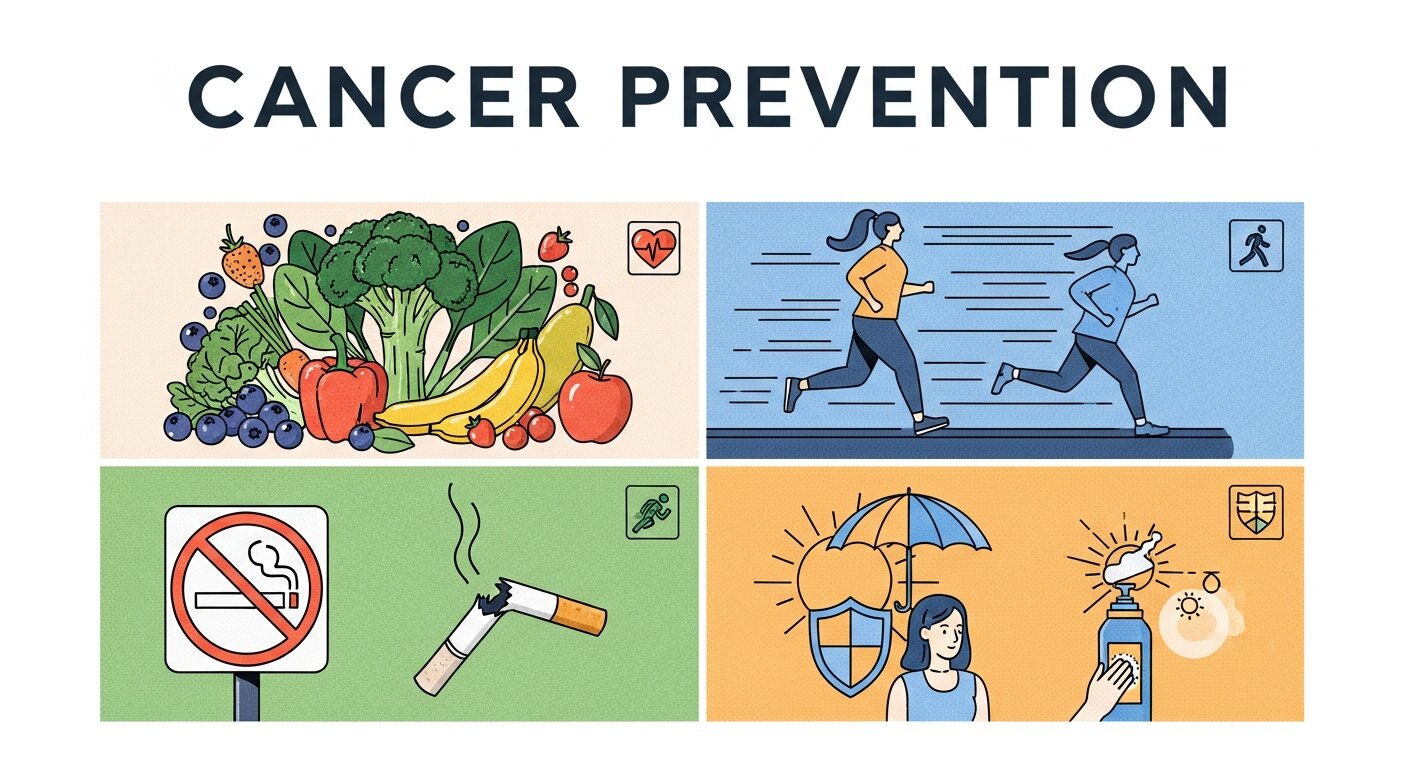
Cancer Prevention is essential in today’s fast-paced world, where lifestyle choices directly impact long-term health. By adopting healthy habits like balanced nutrition, regular exercise, stress management, and routine screenings, individuals can reduce cancer risks.Experts continue to highlight prevention as a powerful strategy for maintaining overall wellness and longevity.
This comprehensive guide explores ten practical, evidence-based cancer prevention tips grouped into five cohesive sections. You’ll discover how to optimize your diet with nutrient-dense foods, integrate regular exercise routines, achieve and maintain a healthy weight, and reduce exposure to known carcinogens. Additionally, you’ll learn strategies for improving mental health, prioritizing restorative sleep, and building a supportive network to sustain lifestyle changes. Throughout this article, authoritative external resources such as the Centers for Disease Control and Prevention (CDC Cancer Prevention) and the World Health Organization (WHO Cancer Fact Sheet) offer further scientific insight. Embrace these cancer prevention tips today to take proactive steps toward a healthier, more resilient future.
Embrace a Nutrient-Rich Diet and Stay Physically Active
Adopting a Plant-Forward, Balanced Diet
One of the most impactful cancer prevention tips involves fueling your body with a diverse array of plant-based foods. A diet rich in vegetables, fruits, whole grains, legumes, nuts, and seeds supplies antioxidants, fiber, vitamins, and minerals essential for neutralizing free radicals and supporting cellular repair. To implement this tip effectively:
- Fill half your plate with colorful produce at each meal, rotating choices daily to maximize phytonutrient intake.
- Choose whole grains—like brown rice, quinoa, barley, and oats—instead of refined products to maintain steady energy levels and foster healthy digestion.
- Incorporate lean protein sources such as beans, lentils, tofu, fish, and skinless poultry to balance macronutrients without excess saturated fats.
- Limit processed and red meats linked to colorectal and other cancers by substituting plant proteins or fish-based dishes at least three times per week.
- Use healthy fats, including extra virgin olive oil, avocado, and nuts, sparingly to support cellular function and reduce inflammation.
Research from institutions like the National Institutes of Health underscores the role of a plant-forward diet in cancer prevention. Integrating these principles into your eating patterns not only reduces disease risk but also enhances overall vitality.
Incorporating Daily Physical Activity
Physical activity serves as a cornerstone of evidence-based cancer prevention tips. Regular movement helps regulate hormones, strengthen immune defenses, and maintain a healthy weight—key factors in lowering cancer risk. The World Health Organization recommends adults engage in at least 150 minutes of moderate-intensity or 75 minutes of vigorous-intensity exercise per week, supplemented by muscle-strengthening activities on two or more days.
- Aim for brisk walking, cycling, swimming, or dancing to improve cardiovascular health and support hormone balance.
- Include resistance training with free weights, resistance bands, or bodyweight exercises to build lean muscle mass and support metabolic health.
- Break up extended sitting periods by standing, stretching, or taking short walks every hour, especially during workdays.
- Explore active hobbies—such as hiking, gardening, or recreational sports—to sustain motivation and make movement enjoyable.
Starting with small increments of activity can yield substantial benefits over time. By weaving exercise into your daily schedule, you adopt a practical element of cancer prevention tips that fuels both physical and mental resilience.
Achieve a Healthy Weight and Eliminate Tobacco Use
Maintaining a Healthy Body Weight
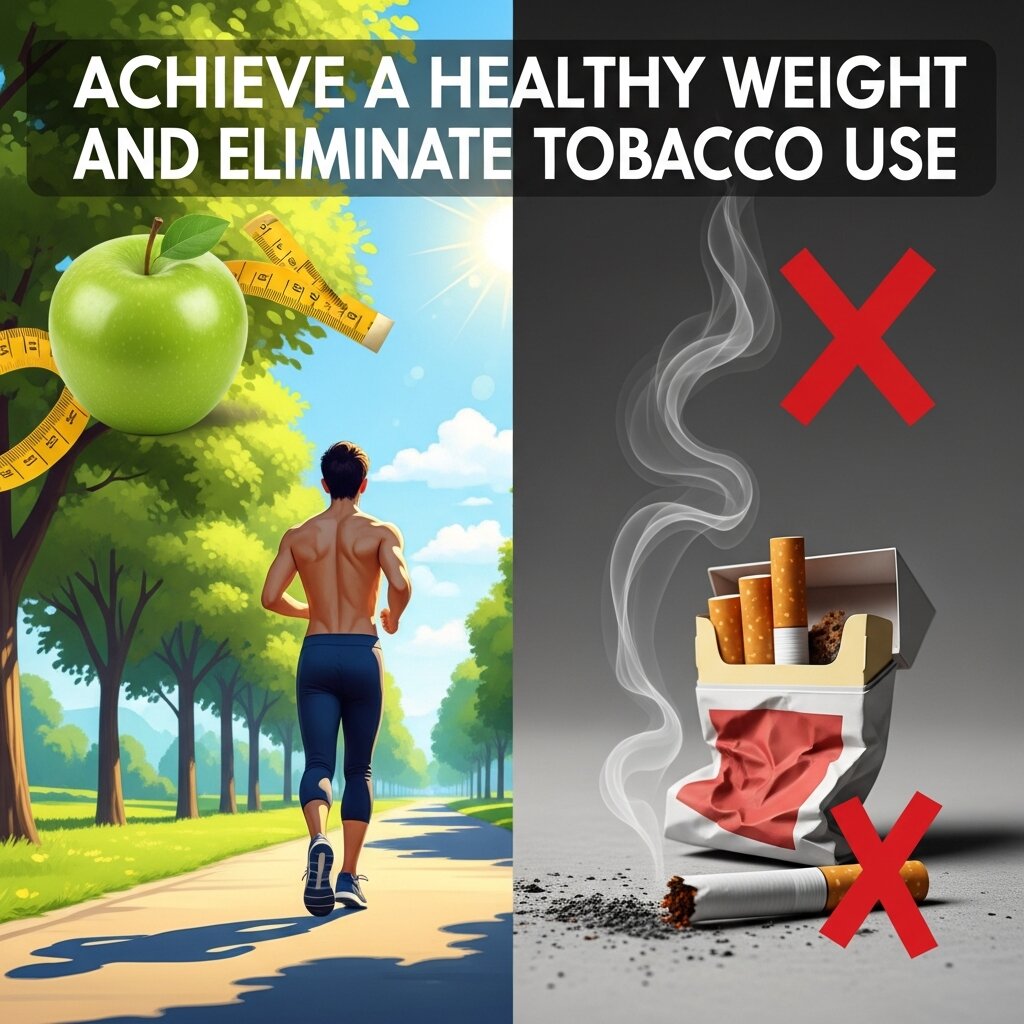
Maintaining an optimal body weight ranks among top cancer prevention tips endorsed by experts. Excess adipose tissue produces estrogen and inflammatory cytokines, elevating the risk of breast (postmenopausal), colorectal, endometrial, kidney, and esophageal cancers. To support sustainable weight management:
- Monitor key metrics such as Body Mass Index (BMI) and waist circumference, aiming for a BMI within the healthy range and waist measurements that meet guidelines from authorities like the CDC.
- Combine mindful eating—focusing on hunger cues, portion control, and nutrient density—with regular physical activity to prevent rapid weight fluctuations.
- Set realistic goals by achieving gradual weight loss of 1–2 pounds per week, which is more likely to lead to long-term success.
- Engage a registered dietitian or certified fitness professional for personalized strategies that align with your lifestyle and preferences.
By integrating measured dietary adjustments and consistent exercise, you not only reduce cancer risk but also support cardiovascular health, blood sugar balance, and overall longevity.
Eliminating Tobacco in Any Form
A critical element among cancer prevention tips is the complete avoidance of tobacco. Tobacco use remains the leading preventable cause of cancer globally, contributing to lung, throat, mouth, bladder, pancreatic, and several other malignancies. Even secondhand smoke escalates risk among non-smokers.
- If you smoke, seek professional cessation programs offering behavioral counseling, nicotine replacement therapies, or prescription medications; these resources vastly improve quit rates.
- Avoid emerging nicotine products such as e-cigarettes and vaping devices, since their long-term carcinogenic potential remains under study.
- Implement smoke-free policies in homes, vehicles, and shared spaces to protect loved ones from secondhand exposure.
Quitting tobacco yields rapid health dividends. Within just months of cessation, lung function improves, and in the longer term, cancer and cardiovascular risks decline dramatically, illustrating the profound impact of this indispensable prevention tip.

Section 3: Limit Alcohol Intake and Shield Your Skin from UV Radiation
Moderating Alcohol Consumption
While some may enjoy the social aspect of a glass of wine or beer, alcohol is recognized among cancer prevention tips as a modifiable risk factor. Consumption correlates with cancers of the mouth, throat, esophagus, liver, breast, and colon, with risk increasing alongside intake amount and duration.
- If you choose to drink, adhere to moderation guidelines: up to one standard drink per day for women and up to two for men, as advised by the National Cancer Institute.
- Incorporate alcohol-free days each week to minimize cumulative exposure.
- Mix drinks with low-sugar, calorie-free mixers and maintain hydration by alternating alcoholic beverages with water.
Lowering alcohol consumption supports liver function, assists with weight management, and aligns with broader cancer prevention tips aimed at reducing exposure to known carcinogens.
Protecting Skin from Harmful UV Rays
Ultraviolet (UV) radiation from the sun and indoor tanning devices is the primary cause of skin cancers, including melanoma. Integrating sun safety into your routine stands out among cancer prevention tips, as skin is our first barrier against environmental threats.
- Apply broad-spectrum sunscreen with an SPF of 30 or higher to all exposed skin areas, reapplying every two hours and immediately after swimming or sweating.
- Seek shade, particularly between 10 a.m. and 4 p.m., when UV intensity peaks.
- Wear protective clothing, wide-brimmed hats, and UV-blocking sunglasses to further reduce exposure risks.
- Avoid tanning beds, which significantly elevate melanoma risk according to the American Academy of Dermatology.
Regular self-examinations and professional skin checks complement these measures, ensuring early detection of suspicious lesions and enhancing your long-term defense as part of a robust set of cancer prevention tips.
Prioritize Screenings and Manage Stress
Staying Up to Date with Recommended Screenings
Early detection through screening remains a cornerstone among cancer prevention tips. Catching malignancies at their most treatable stages improves outcomes and enhances survival rates. Follow guidance from reliable bodies such as the U.S. Preventive Services Task Force and the American Cancer Society:
- Breast cancer: annual or biennial mammograms starting at age 40, tailored to personal risk factors.
- Cervical cancer: Pap tests and HPV co-testing beginning at age 21, with frequency adjusted based on results.
- Colorectal cancer: colonoscopy or non-invasive stool-based tests from age 45, repeated at recommended intervals.
- Lung cancer: low-dose CT scans for high-risk individuals (heavy smoking history) aged 50–80.
Discuss your personal and family history with your healthcare provider to customize a screening plan that aligns with your risk profile, ensuring you leverage these essential prevention tips effectively.
Managing Stress and Supporting Mental Health
Chronic stress undermines immunity, fuels inflammation, and often leads to adverse coping behaviors like overeating or increased tobacco and alcohol use. By incorporating stress management into your set of cancer prevention tips, you bolster both mental resilience and physical health.
- Practice relaxation techniques such as diaphragmatic breathing, progressive muscle relaxation, or guided imagery for 5–10 minutes daily.
- Integrate mindfulness meditation sessions, using apps or local classes to build a consistent practice.
- Maintain social connections through regular interactions with friends, family, or support groups to share experiences and reduce isolation.
- Seek professional mental health support if stress, anxiety, or depression becomes overwhelming, using resources from institutions like the National Institute of Mental Health.
By nurturing a balanced psychological state, you create a foundation for healthier lifestyle choices and add resilience to your cancer prevention toolkit.
Emphasize Quality Sleep and Cultivate a Support Network
Prioritizing Restful, Restorative Sleep
Sleep plays an indispensable role in cell repair, hormone regulation, and immune function, making it a vital component of any comprehensive list of cancer prevention tips. Disrupted or insufficient sleep patterns have been linked to an elevated risk of breast and colorectal cancers.
- Aim for 7–9 hours of uninterrupted sleep each night to facilitate optimal physiological recovery.
- Create a relaxing bedtime routine by dimming lights, limiting screen exposure an hour before bed, and avoiding caffeine late in the day.
- Keep your sleep environment cool, dark, and quiet to support deep, restorative rest.
- Address sleep disorders such as insomnia or sleep apnea by consulting a healthcare professional or sleep specialist.
By treating sleep as a non-negotiable priority, you activate natural repair mechanisms and support your body’s capacity to prevent cellular damage and malignancy.
Building an Informed, Encouraging Support System
Knowledge-sharing and social accountability enhance your ability to adopt and maintain healthy behaviors. Incorporate these strategies as part of your overarching cancer prevention tips:
- Stay updated on reputable sources like the American Cancer Society, CDC, and National Cancer Institute to access the latest research and guidelines.
- Join local or virtual communities focused on healthy living and cancer prevention to exchange tips, recipes, and motivational support.
- Share your health goals with family and friends to foster an environment of encouragement and accountability.
- Collaborate with professionals—nutritionists, fitness trainers, wellness coaches—to receive personalized guidance and track progress.
Harnessing the power of community and expert advice ensures that your pursuit of wellness remains sustainable, fulfilling, and aligned with best practices in cancer prevention.
Conclusion
Embracing these cancer prevention tips does not require instant perfection but rather a commitment to gradual, sustainable change. By nourishing your body with nutrient-rich foods, staying physically active, maintaining a healthy weight, and avoiding known carcinogens like tobacco and excess alcohol, you lay the groundwork for robust health. Further, prioritizing regular screenings, stress management, high-quality sleep, and a supportive network amplifies your resilience and enhances long-term outcomes.