


Facing an oncology diagnosis feels overwhelming, but tracking your progress provides immense hope and clarity. Recognizing the signs of effective chemotherapy empowers you during this challenging medical journey. This comprehensive guide reveals exactly what to look for and how your medical team measures your treatment success.
This detailed article explores how patients and oncologists identify true treatment progress. You will learn about physical symptom relief, advanced imaging techniques, and vital tumor marker reductions. We also cover actionable lifestyle adjustments, dietary interventions, and emotional support strategies to maximize your well-being, optimize your recovery, and accurately interpret your healing timeline.
Demystifying the Signs of Effective Chemotherapy
Understanding how oncology treatments work allows you to better recognize the signs of effective chemotherapy. Chemotherapy utilizes powerful medications designed to target and destroy rapidly dividing cancer cells. Because these drugs travel throughout the entire bloodstream, they can reach cancer cells almost anywhere in your body. When the medication successfully disrupts the cellular division process, tumors begin to shrink, and the progression of the disease halts. This cellular destruction is the primary goal of your entire treatment plan.
Patients often wonder how quickly they will notice improvements. The timeline varies drastically depending on the specific type of cancer, the stage of the disease, and the exact drug regimen prescribed by your oncologist. Some individuals experience noticeable changes within a few weeks, while others require several cycles before clinical improvements become apparent. Patience remains essential during this waiting period. Your medical team carefully monitors your bodily responses to ensure the dosage provides maximum efficacy while preserving your vital organs. Recognizing the signs of effective chemotherapy requires a combination of clinical testing and personal bodily awareness. You must maintain open communication with your healthcare providers, reporting every physical change so they can adjust your care plan accordingly.
Clinical Measurements and Diagnostic Imaging
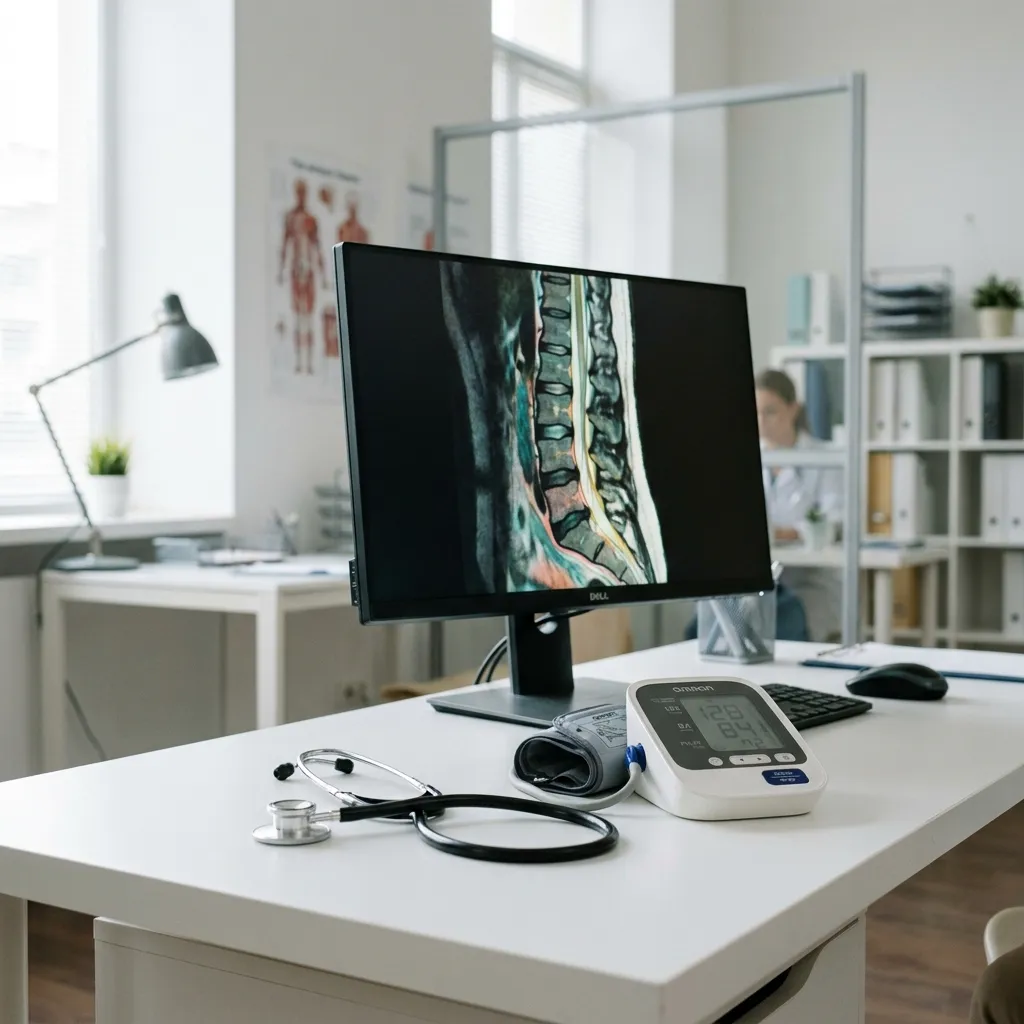
Doctors do not rely on guesswork to determine treatment success; they use precise clinical measurements. The most definitive signs of effective chemotherapy emerge through advanced diagnostic imaging and laboratory tests. Oncologists typically schedule scans at specific intervals, often after two or three treatment cycles, to visually assess the tumor’s size. Computed Tomography (CT) scans, Magnetic Resonance Imaging (MRI), and Positron Emission Tomography (PET) scans offer detailed cross-sectional views of your internal organs. If the scans reveal that the primary tumor has shrunk or that metastatic lesions have disappeared, the treatment is working.
Beyond visual imaging, your medical team heavily relies on blood tests to track progress. Tumor markers are specific proteins or substances produced by cancer cells, which circulate in your bloodstream. High levels often indicate active disease. A steady decrease in these tumor markers serves as one of the most reliable signs of effective chemotherapy. For example, a drop in CA-125 for ovarian cancer or PSA for prostate cancer demonstrates that the drugs are actively destroying the malignant cells.
Additionally, your overall blood chemistry provides clues about your recovery. Stabilizing white blood cell counts, red blood cell counts, and platelet levels between cycles show that your bone marrow is recovering properly. When your clinical tests align with positive physical changes, your oncologist gains confidence in the current drug regimen, ensuring you remain on the path to remission.
Physical and Symptomatic Indicators of Progress
While medical scans provide objective data, your daily physical experience offers subjective but highly valuable signs of effective chemotherapy. As tumors shrink, they stop pressing against nerves, blood vessels, and internal organs. This reduction in pressure frequently leads to a noticeable decrease in localized pain. Patients who previously required heavy pain medication often find themselves needing less as their treatment progresses. Relief from chronic, tumor-related pain is a massive victory and a clear indicator of success.
Another physical sign involves improvements in organ function. For instance, if a lung tumor shrinks, you will likely notice decreased coughing and easier breathing. If a tumor in the gastrointestinal tract responds to the medication, you might experience better digestion and a return to normal bowel habits. Furthermore, the reduction of swollen lymph nodes or visible lumps provides tangible proof that the malignant cells are dying off.
It is crucial to differentiate between the heavy fatigue caused by the medication and the lethargy caused by the cancer itself. As the disease burden lessens, many patients report a distinct shift in their energy. They feel a lighter, more natural tiredness from the drugs, rather than the deep, draining exhaustion of the illness.
- Keep a daily symptom journal to track pain levels and energy shifts.
- Note any changes in breathing, digestion, or visible swelling.
- Share your journal entries with your oncology nurse during each visit.
Navigating the Overlap: Side Effects versus Success

A common challenge for patients involves distinguishing between medication side effects and disease progression. Experiencing severe side effects does not necessarily mean the treatment is failing, nor does a lack of side effects mean the drugs are ineffective. Hair loss, nausea, and temporary fatigue are standard responses to the toxicity of the medication, not indicators of tumor growth. Understanding this distinction helps reduce anxiety and keeps you focused on the actual signs of effective chemotherapy.
Your medical team anticipates these side effects and provides supportive care to mitigate them. Managing your expectations helps you stay resilient. When your body feels battered by the drugs, remind yourself that the medication is fighting a systemic battle. The true signs of effective chemotherapy are found in the reduction of cancer symptoms, not the absence of treatment-related discomfort.
Common Mistakes to Avoid
- Stopping medication early because side effects feel overwhelming without consulting your doctor.
- Assuming a lack of severe nausea means the chemotherapy is not strong enough to kill the cancer.
- Ignoring new, sudden pain by writing it off as just another normal treatment side effect.
Empowering Your Body Through Nutrition and Care
Your body requires high-quality fuel to repair healthy tissues damaged during your treatment cycles. Integrating proper Nutrition for Oncology Patients plays a massive role in how well you tolerate the medication and how quickly you recover between sessions. A well-nourished body metabolizes drugs more efficiently and maintains a stronger immune system. Lean proteins, complex carbohydrates, and abundant hydration give your cells the building blocks necessary for repair.
When your body receives adequate nutrition, you can better withstand the rigorous schedule of your treatments. This resilience indirectly supports the signs of effective chemotherapy, as fewer delays mean the medication can attack the cancer consistently. If you struggle with taste changes or low appetite, working with a registered oncology dietitian provides you with customized strategies to maintain your weight and strength.
|
Nutritional Goal |
Recommended Food Sources |
Purpose During Treatment |
|---|---|---|
|
Tissue Repair |
Eggs, Greek yogurt, poultry, tofu |
Rebuilds healthy cells damaged by chemotherapy drugs. |
|
Energy Sustenance |
Oatmeal, sweet potatoes, quinoa |
Provides steady, long-lasting energy to combat fatigue. |
|
Immune Support |
Spinach, berries, bell peppers |
Delivers antioxidants to protect healthy cellular function. |
|
Hydration |
Bone broth, herbal tea, water |
Flushes metabolized drugs through the kidneys and liver. |
Essential Recovery Steps and Psychological Support

As you progress through your treatment cycles, you must actively participate in your healing process. Implementing structured Chemotherapy Recovery Steps ensures that you manage your downtime effectively. This involves scheduling ample rest immediately following an infusion, prioritizing sleep hygiene, and engaging in light, doctor-approved physical activity like walking. Gentle movement prevents muscle atrophy and improves blood circulation, which helps deliver the medication throughout your body and flushes out the toxins.
Equally important is your mental health. The anxiety of waiting for scan results or analyzing every bodily ache can trigger intense stress. Utilizing Emotional Wellness Techniques such as mindfulness meditation, deep breathing exercises, and cognitive behavioral therapy helps lower cortisol levels. A calm, resilient mind supports a strong immune system. Joining a support group or speaking with an oncology social worker allows you to process your fears constructively. When you actively manage your psychological health, you create an internal environment that supports the physical signs of effective chemotherapy and fosters comprehensive healing.
Pro Tips for Treatment Success
- Hydrate aggressively 48 hours before and after your infusion to protect your kidneys.
- Eat small, frequent meals rather than large portions to combat treatment-induced nausea.
- Establish a reliable support network to assist with household chores during your most fatigued days.
Conclusion
Recognizing the signs of effective chemotherapy requires patience, clinical testing, and close observation of your physical symptoms. By communicating openly with your oncology team and utilizing diagnostic tools, you can accurately track your healing progress. Empower yourself by maintaining proper nutrition and strong emotional support throughout your journey. If you found this guide helpful, share it with your loved ones and subscribe to our newsletter for more expert health insights.
FAQs
1. What are the earliest signs of effective chemotherapy I might notice?
The earliest signs often include a reduction in cancer-related pain, improved breathing if tumors were pressing on the lungs, and a general decrease in the size of swollen lymph nodes or visible lumps.
2. Do severe side effects mean the chemotherapy is working better?
No, the severity of side effects does not correlate with the drug’s effectiveness against cancer. Side effects merely indicate how your healthy cells are reacting to the toxicity of the medication.
3. How do doctors clinically confirm the signs of effective chemotherapy?
Oncologists confirm effectiveness through diagnostic imaging like CT, MRI, and PET scans, which show tumor shrinkage. They also monitor specific blood tests and tumor markers to track disease activity.
4. Can chemotherapy be effective even if I do not feel any different?
Yes, chemotherapy can actively shrink internal tumors even if you do not experience noticeable physical changes. This is why routine scans and blood tests are absolutely critical for measuring progress.
5. What is a tumor marker, and why does it matter?
A tumor marker is a specific protein produced by cancer cells found in the blood. A declining tumor marker level is one of the most reliable signs of effective chemotherapy.
6. Why might my doctor change my chemotherapy drugs?
If scans show that tumors are growing or if tumor markers are rising, it indicates the current regimen is not working. Your doctor will change the medication to a different protocol to find a more effective treatment.
7. Does an increase in energy mean the cancer is gone?
An increase in energy often means your body is recovering from the disease burden, but it does not definitively mean the cancer is completely gone. Only medical scans can confirm remission.
8. How long does it take to see the signs of effective chemotherapy?
The timeline varies widely by cancer type and stage. Some patients see results after a single cycle, while others may need two to three months of continuous treatment before scans show significant shrinkage.
9. Can nutrition impact how well chemotherapy works?
While nutrition does not directly kill cancer cells, a well-nourished body tolerates treatments better, preventing delays in your chemotherapy schedule. Consistent treatment maximizes the drug’s effectiveness.
10. Should I keep a symptom journal during my treatment?
Yes, maintaining a daily symptom journal helps you and your medical team track pain reduction and side effects. This written record provides vital context when evaluating the signs of effective chemotherapy.