

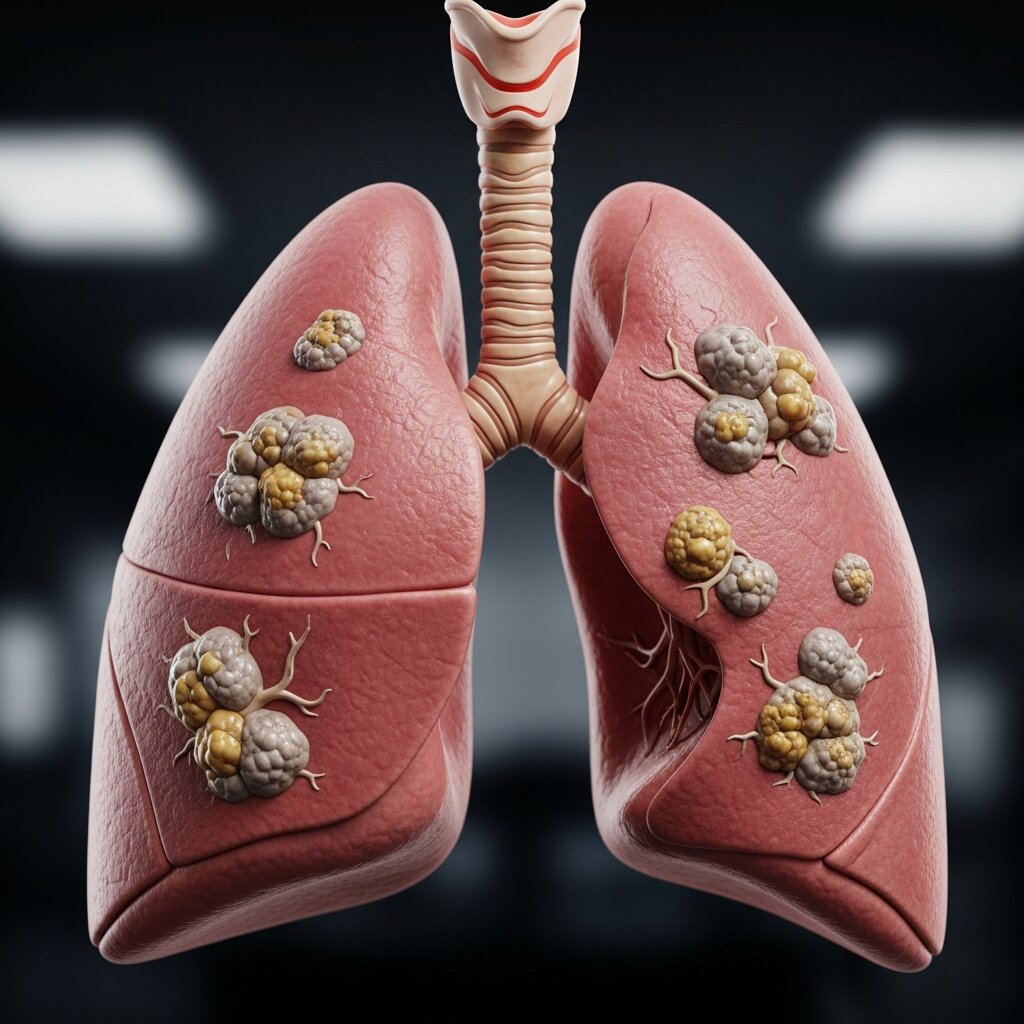
Receiving a diagnosis of stage four Lung Cancer is undeniably life-altering, yet the landscape of oncology is shifting rapidly. With modern medical breakthroughs, the possibility of reaching remission or a state of “No Evidence of Disease” (NED) is more attainable than ever before for many patients.
This comprehensive guide explores the nuances of advanced stage remission, detailing cutting-edge therapies like immunotherapy and targeted treatments. We analyze survival statistics, lifestyle adjustments, and the clinical milestones necessary to navigate this complex journey with clarity, hope, and data-driven insights.
Defining Remission in the Context of Advanced Lung Cancer
When discussing stage four Lung Cancer, the term “remission” often requires a nuanced definition. Unlike early-stage cancers where a cure is the primary goal, stage four signifies that the malignancy has spread beyond the lungs to distant organs. In this clinical setting, remission—specifically Partial remission or Complete remission—indicates that the cancer has responded to treatment. Complete remission, often referred to by oncologists as “No Evidence of Disease” (NED), means that imaging tests like PET scans or CT scans no longer show detectable tumors. However, it is vital to understand that remission is not synonymous with a “cure,” as microscopic cancer cells may still linger.
The medical community has moved toward viewing advanced Lung Cancer as a manageable chronic condition for a subset of patients. This shift is largely due to our better understanding of Tumor biology. By identifying specific Genetic mutations, doctors can now apply precision medicine to stall the progression of the disease. While the focus remains on extending life and maintaining quality, achieving a state where the cancer is dormant is the gold standard of modern oncology. This stage of the journey requires rigorous monitoring and a deep partnership between the patient and their multidisciplinary medical team.
The Evolution of Treatment: Pathways to Remission

The traditional “one-size-fits-all” approach of systemic chemotherapy has been replaced by a sophisticated arsenal of therapies. For patients with stage four Lung Cancer, the path to remission often begins with Molecular testing. This diagnostic step identifies whether the cancer is driven by specific alterations, such as the EGFR mutation or ALK translocation. If these “drivers” are present, Targeted therapy drugs can be used to block the signals that tell cancer cells to grow. These pills are often more effective and less toxic than traditional treatments, allowing patients to maintain a high quality of life while their tumors shrink significantly.
Another revolutionary pillar is Immunotherapy. This treatment works by unmasking cancer cells, allowing the body’s own immune system to recognize and destroy them. Drugs known as Checkpoint inhibitors have produced “durable responses,” where some patients with advanced Lung Cancer remain in remission for years—a feat that was nearly impossible two decades ago. In some cases, a combination of Immunotherapy and chemotherapy is used to attack the malignancy from multiple angles. This aggressive, multi-modal strategy has significantly improved the Five-year survival rate for metastatic patients, proving that stage four is no longer an immediate terminal sentence.
Understanding Survival Statistics and the Power of Data
Statistics can be frightening, but they are often lagging indicators of current medical reality. When you look at the Lung Cancer survival rate, it is important to remember that these numbers are based on patients diagnosed years ago. They do not fully reflect the impact of the latest Clinical trials or the widespread use of Next-generation sequencing (NGS). Data from the National Cancer Institute (NCI) shows a steady upward trend in survival for those with distant-stage disease who have access to specialized care.
| Treatment Type | Primary Mechanism | Impact on Remission |
| Targeted Therapy | Blocks specific genetic drivers | High initial response in eligible patients |
| Immunotherapy | Activates T-cells against tumors | Potential for long-term, durable remission |
| Chemotherapy | Kills rapidly dividing cells | Reduces tumor burden and manages symptoms |
| Radiation Therapy | Uses high-energy beams | Excellent for local control and palliative care |
The “Tail of the Curve” is a concept in oncology that refers to the group of patients who survive much longer than the average. As Precision medicine continues to evolve, this “tail” is getting longer. Factors such as the Performance status of the patient, the specific location of metastases (e.g., bone vs. brain), and the tumor’s PD-L1 expression level all play critical roles in determining the likelihood of achieving long-term stability. While statistics provide a baseline, every patient represents a unique biological case.
Managing the Psychological Impact of “NED” Status

Achieving “No Evidence of Disease” brings a paradoxical mix of relief and anxiety, often termed “Scanxiety.” For a Lung Cancer survivor, the fear of recurrence is a constant companion. Transitioning from active, aggressive treatment to a “wait and watch” or maintenance phase can feel like losing a safety net. It is crucial for patients to engage in Psychosocial support or join Support groups where they can share experiences with others who understand the unique weight of living with a stage four diagnosis.
Maintaining mental health is just as important as physical health in the remission phase. Chronic stress can impact the immune system, which is why Stress management techniques like mindfulness, yoga, and therapy are highly recommended. Physicians are increasingly recognizing that the “success” of a treatment plan includes the patient’s emotional well-being. If you are struggling with the transition, don’t hesitate to ask your oncology team for a referral to a psycho-oncologist. Moving forward after a stage four diagnosis involves learning to live in the present while carefully monitoring the future.
Lifestyle Adjustments to Support Long-Term Health
While medical treatment is the engine of remission, lifestyle choices act as the fuel. A rigorous Cancer Patient Diet Plan can help rebuild the body after the ravages of treatment. Focus on anti-inflammatory foods, lean proteins, and a high intake of antioxidants to support cellular repair. Furthermore, Smoking cessation remains the single most important lifestyle change for any Lung Cancer patient. Even after a stage four diagnosis, quitting smoking can improve treatment efficacy and reduce the risk of secondary complications.
Physical activity, tailored to the patient’s ability, is also vital. Exercise oncology is a growing field that demonstrates how movement can reduce fatigue and improve the Quality of life. Whether it’s short walks or light resistance training, keeping the body moving helps maintain muscle mass and cardiovascular health. Additionally, ensuring adequate Vitamin D levels and staying hydrated are simple yet effective ways to support the immune system. These proactive steps give patients a sense of agency and control over their health during a time when much feels out of their hands.
Common Mistakes to Avoid During Remission
One of the most frequent mistakes is becoming complacent with follow-up appointments. Remission in stage four Lung Cancer requires a “maintenance” mindset. Skipping a CT scan or a blood test can allow a recurrence to go undetected until it is harder to treat. Another mistake is pursuing unverified alternative therapies at the expense of evidence-based medical care. While integrative approaches (like acupuncture for pain) can be helpful, they should never replace the Standard of care prescribed by your oncologist.
Patients should also avoid comparing their journey to others. Because Lung Cancer is a heterogeneous disease—meaning it varies significantly from person to person—what worked for one patient might not be applicable to another. Lastly, do not ignore “minor” symptoms. New bone pain, persistent headaches, or a fresh cough should be reported immediately. Early intervention is the key to managing a “flare-up” before it becomes a full-scale progression. Staying vigilant is the price of long-term stability in advanced disease.
The Role of Clinical Trials in Achieving Breakthroughs

For many stage four patients, the path to remission leads through a Clinical trial. These studies offer access to the “medicine of tomorrow” today. Many of the therapies we now consider standard, such as CAR-T cell therapy or new Antibody-drug conjugates (ADCs), were only available through trials just a few years ago. Participating in a trial not only provides the patient with a potential lifeline but also contributes to the global body of knowledge that will help future generations.
If your current treatment stops working—a phenomenon known as Acquired resistance—a clinical trial might be the next logical step. Researchers are constantly looking for ways to bypass the mutations that allow cancer to “hide” from drugs. Discussing these options with your doctor early in the process is essential. It ensures that you have a “Plan B” and “Plan C” ready, which is a hallmark of high-authority Cancer management. The frontier of oncology is moving so fast that a new option could emerge at any moment.
Expert Insights: The Future of Advanced Lung Cancer Care
Oncology experts are increasingly optimistic about the “chronicization” of Lung Cancer. We are moving toward a future where a stage four diagnosis is treated much like diabetes or heart disease—managed through daily medication and regular monitoring. The integration of Artificial Intelligence (AI) in analyzing pathology slides and the rise of Liquid biopsies (blood tests that detect cancer DNA) are making it easier to catch changes in the disease in real-time.
Pro tip: Always seek a second opinion at a National Cancer Institute-designated Comprehensive Cancer Center. These institutions often have more experience with rare mutations and access to a wider array of specialized treatments. The expertise of an oncologist who focuses solely on thoracic malignancies can be the difference between a standard outcome and a breakthrough. As we look toward the next decade, the goal is clear: to move more patients from a “terminal” outlook into long-term, high-quality remission.
Summary of Remission Milestones
The journey to remission is rarely a straight line. It is a series of milestones that start with an accurate diagnosis and end with long-term surveillance. By staying informed about Treatment side effects and being proactive in Palliative care, patients can navigate the challenges of stage four with resilience. Remission is a testament to the power of modern science and the strength of the human spirit.
- Diagnosis: Confirmation of stage and molecular profile.
- Induction: Initial treatment to reduce tumor load.
- Response Assessment: Imaging to confirm shrinkage or stability.
- Maintenance: Ongoing therapy to keep the cancer in check.
- Surveillance: Regular scans to ensure continued NED status.
Conclusion
Achieving remission in stage four Lung Cancer is a significant clinical milestone that offers patients a renewed lease on life. Through a combination of targeted therapies, immunotherapy, and a dedicated Cancer Patient Diet Plan, the possibility of long-term survival is increasing every year. Stay vigilant, work closely with your oncology team, and never stop advocating for the most advanced care available. To learn more about managing your health journey, explore our latest resources on Precision medicine and clinical trials today.
FAQ
1. Can stage 4 lung cancer really go into remission?
Yes, it is possible. While “cure” is a term doctors use cautiously for stage four, many patients reach “Complete Remission” or “No Evidence of Disease” (NED) where the cancer is no longer detectable on scans.
2. What is the difference between stable disease and remission?
Stable disease means the cancer is not growing or shrinking significantly. Remission, specifically partial remission, means the tumor has shrunk by at least 50%. Complete remission means all visible signs of cancer are gone.
3. How long can someone stay in remission with stage 4 lung cancer?
With modern Immunotherapy and Targeted therapy, some patients remain in remission for many years. Each case is unique, depending on the cancer’s genetic makeup and the patient’s overall health.
4. What is the 5-year survival rate for stage 4 lung cancer?
The current average is approximately 7-10%, but this number is rising. Importantly, for patients with specific mutations treated with targeted drugs, the survival rates are significantly higher than the general average.
5. Does immunotherapy work for everyone?
No. Immunotherapy effectiveness often depends on the level of PD-L1 expression and the “Tumor Mutational Burden.” Your doctor will use biomarker testing to see if you are a good candidate.
6. What causes a recurrence after remission?
Recurrence happens when microscopic cancer cells that were not killed by treatment begin to grow again. This is why regular surveillance scans are vital even when you feel healthy.
7. Can lifestyle changes help maintain remission?
While lifestyle changes like a Healthy lifestyle and quitting smoking cannot “cure” cancer, they support the immune system, improve treatment tolerance, and enhance overall quality of life.
8. What is a “Liquid Biopsy”?
A liquid biopsy is a blood test that looks for pieces of DNA from cancer cells. It is a non-invasive way to monitor for recurrence or to see if the cancer has developed a new mutation.
9. Should I get a second opinion?
Absolutely. Stage four Lung Cancer treatment is highly specialized. A second opinion at a major cancer center can provide access to different clinical trials or advanced surgical options.
10. How often are scans performed during remission?
Typically, scans are done every 3 to 6 months during the first few years of remission. If the disease remains stable, the interval between scans may be extended by your oncologist.