


A cancer diagnosis changes everything, especially how your body processes food. Implementing proper Nutrition Strategies for Cancer Patients helps preserve your strength and supports healing. We will explore how targeted eating habits can make your treatment journey significantly more manageable.
This comprehensive guide breaks down the essential dietary adjustments required during oncology treatments. You will learn how to balance your macronutrients, manage severe treatment side effects, and build a resilient body. By following these practical insights, you can improve your energy levels, maintain a healthy weight, and actively support your immune system throughout recovery.
Understanding the Importance of Nutrition Strategies for Cancer Patients
When you undergo cancer therapies like chemotherapy, radiation, or surgery, your body requires more energy to repair damaged tissues. Developing solid Nutrition Strategies for Cancer Patients becomes a vital part of your medical care. The foods you consume directly impact your body’s ability to tolerate harsh treatments and fight off infections. Without proper nourishment, your body may break down its own muscle tissue for energy, leading to a condition known as Cancer Cachexia, which causes severe weight loss and muscle wasting.
Maintaining your nutritional health does more than just keep your weight stable. It enhances your overall quality of life. Patients who receive adequate nutrition generally experience fewer treatment interruptions and recover more quickly between therapy cycles. Food acts as medicine, providing the raw materials your immune system needs to produce white blood cells and fight off potential illnesses.
Many people find that their relationship with food changes drastically after a diagnosis. Anxiety and stress can suppress your appetite, while the metabolic demands of the disease increase your body’s caloric needs. Addressing this gap requires a proactive approach. Working closely with an Oncology Dietitian helps you create a customized plan tailored to your specific diagnosis and treatment modality. They assess your baseline nutritional status and monitor changes to ensure you receive the right vitamins, minerals, and calories.
You must focus on consuming high-quality calories. Your body is working overtime, and every bite matters. A well-planned diet minimizes the physical toll of treatment and provides psychological comfort. Taking control of your diet is one of the few areas where you have complete agency during your cancer journey.
Core Principles of a Cancer Diet: What to Eat During Treatment
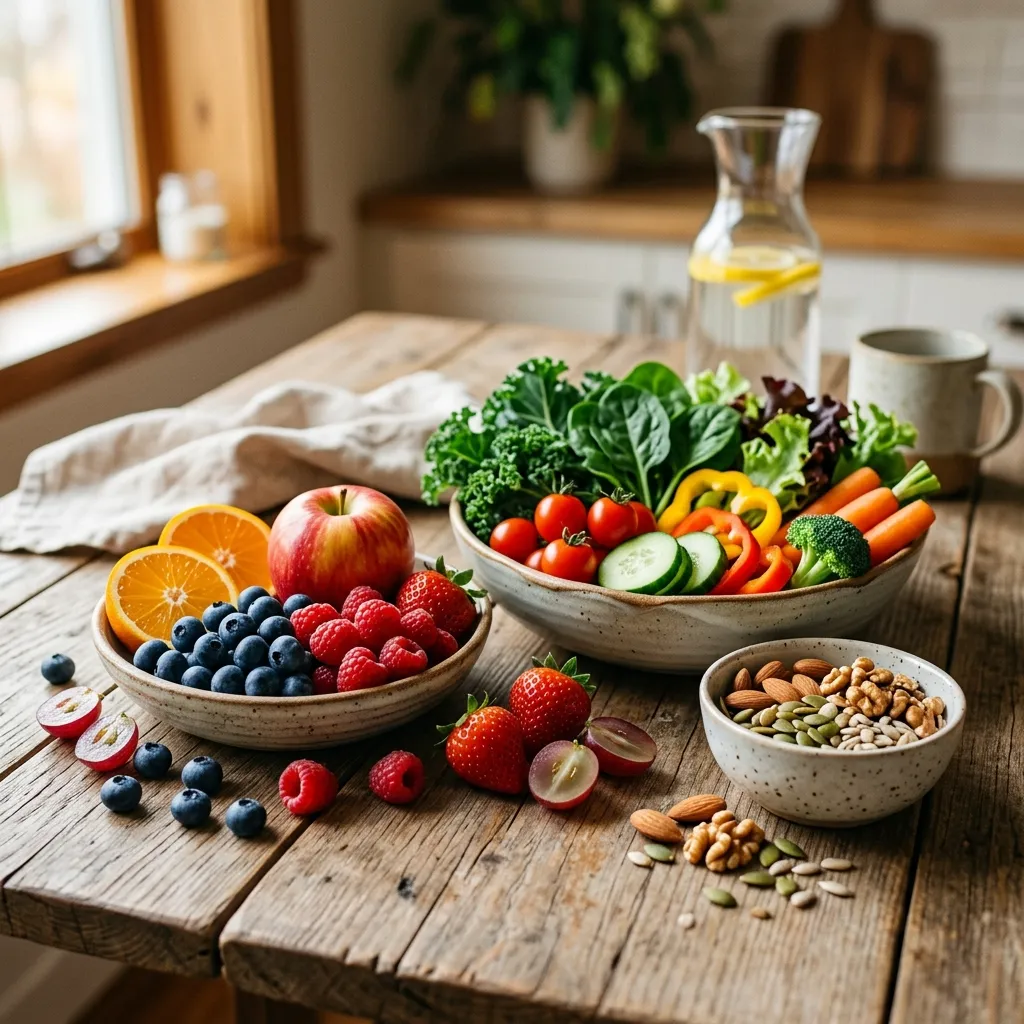
The foundation of eating well during treatment revolves around macronutrient balance. Your body needs a steady supply of protein, carbohydrates, and healthy fats to function optimally. Protein plays the most critical role during this time. It helps repair body tissue, maintains your immune system, and prevents muscle loss. You should aim to include a source of high-quality protein in every meal and snack. Excellent sources include lean poultry, fish, eggs, dairy products, beans, and lentils.
Carbohydrates supply the quick energy your brain and muscles need to combat treatment-related fatigue. However, not all carbohydrates offer the same benefits. Complex carbohydrates like whole grains, oats, quinoa, and sweet potatoes provide a steady release of energy and essential dietary fiber. Fiber supports digestive health, which treatments often disrupt. Healthy fats, such as those found in avocados, nuts, seeds, and olive oil, offer dense calories. They help you meet your elevated caloric needs without requiring you to eat large volumes of food.
Vitamins and minerals act as the cellular spark plugs that keep your metabolism running smoothly. Eating a colorful variety of fruits and vegetables ensures you get a wide spectrum of antioxidants. These compounds protect your healthy cells from the oxidative stress caused by both the cancer and the therapies used to treat it. If you struggle to eat solid produce, consider blending fruits and vegetables into nutrient-dense smoothies.
Below is a comparison table to help you distinguish between foods that support your healing and those that offer little nutritional value.
|
Food Category |
Optimal Healing Foods |
Foods to Limit or Avoid |
|---|---|---|
|
Proteins |
Grilled chicken, salmon, eggs, Greek yogurt, lentils |
Processed meats, hot dogs, deep-fried meats, raw sushi |
|
Carbohydrates |
Oatmeal, brown rice, whole wheat bread, berries |
Sugary cereals, white bread, pastries, heavily processed snacks |
|
Fats |
Extra virgin olive oil, almonds, walnuts, avocados |
Trans fats, margarine, heavy fried foods, excess saturated fat |
|
Hydration |
Water, herbal teas, clear broths, diluted juices |
High-sugar sodas, alcohol, highly caffeinated energy drinks |
Understanding these categories allows you to make informed decisions at the grocery store. Your goal is to maximize the nutritional density of every meal. When your appetite is low, eating small, frequent meals often works better than attempting three large ones. Keep healthy snacks visible and easily accessible to encourage constant grazing throughout the day.
Managing Treatment Side Effects Through Targeted Nutrition
Cancer treatments notoriously cause side effects that make eating incredibly difficult. Nausea, mouth sores, taste changes, and digestive issues can quickly derail your nutritional goals. Managing these symptoms requires specific dietary adjustments and a lot of patience.
Nausea is perhaps the most common barrier to eating well. When you feel sick to your stomach, the thought of food becomes repulsive. However, keeping your stomach slightly full can actually prevent nausea from worsening. An empty stomach often exacerbates the feeling of sickness.
- Eat dry, bland foods like crackers, toast, or pretzels before getting out of bed in the morning.
- Consume meals at room temperature, as hot foods emit stronger odors that can trigger nausea.
- Drink fluids between meals rather than with your food to prevent feeling overly full and bloated.
Mouth sores and throat pain require a shift in food texture and temperature. Sharp, acidic, or extremely hot foods irritate the sensitive mucosal lining of your mouth. Transitioning to a soft diet helps maintain your calorie intake without causing pain. Opt for foods like mashed potatoes, scrambled eggs, yogurt, and pureed soups. Avoid citrus fruits, tomatoes, and rough foods like crusty bread or hard chips. Using a straw to bypass the sores in your mouth can also make drinking liquids more comfortable.
Taste alterations, often described as a metallic or bitter taste, can make your favorite foods highly unappealing. This phenomenon, known as Dysgeusia, occurs because treatments damage the rapidly dividing cells in your taste buds. You can counteract this by marinating meats in sweet or tart juices to mask the metallic flavor. Using plastic utensils instead of silverware also helps reduce the metallic taste. Experimenting with new spices and herbs can stimulate your taste buds and make food enjoyable again.
Hydration: The Hidden Pillar of Cancer Recovery

Water regulates your body temperature, transports nutrients to your cells, and flushes out the toxic byproducts of chemotherapy and radiation. Dehydration sneaks up quickly, especially if you experience vomiting or diarrhea. Severe dehydration leads to fatigue, dizziness, and dangerous drops in blood pressure, often resulting in hospitalization.
You should aim for at least eight to ten glasses of hydrating fluids daily. If plain water tastes unappealing due to treatment side effects, infuse it with slices of cucumber, lemon, or fresh berries. Herbal teas, clear broths, and electrolyte-rich sports drinks also count toward your daily fluid intake. Pay attention to the color of your urine; it should be pale yellow. Dark amber urine signals that you need to increase your fluid intake immediately.
Hydration Management becomes even more critical if your treatment affects your kidneys or bladder. Some chemotherapy drugs require extensive fluid flushing to prevent organ damage. Keep a water bottle with you at all times as a visual reminder to take constant sips. If you struggle to drink enough liquids, incorporate water-rich foods into your diet, such as watermelon, cucumbers, celery, and soups.
In cases where oral intake is insufficient, your medical team might suggest intravenous fluids. Never ignore signs of severe dehydration, such as a dry mouth, sunken eyes, or a rapid heart rate. Staying ahead of your fluid needs minimizes the compounding fatigue that often accompanies cancer treatments.
Pro Tips and Expert Insights for Meal Planning
Preparation is your best defense against treatment-induced fatigue. When you feel exhausted, cooking a nutritious meal feels impossible. By planning and preparing meals in advance, you ensure that healthy options are always available, even on your worst days.
Batch cooking on the days you feel energetic provides a stockpile of ready-to-eat meals. Soups, stews, and casseroles freeze exceptionally well and offer dense nutrition. Divide these meals into single-serving containers so you can easily thaw and heat them without any effort. Relying on friends and family for meal support also relieves a massive burden. When loved ones ask how they can help, suggest a meal train or ask them to chop vegetables and portion out snacks.
- Stock up on liquid nutrition options like high-protein shakes and meal replacement smoothies for days when chewing solid food feels too tiring.
- Fortify your meals by adding hidden calories; stir olive oil into soups, mix protein powder into oatmeal, or add avocado to your smoothies.
- Keep a symptom and food journal to track which foods sit well with your stomach and which ones trigger discomfort, allowing you to refine your diet continuously.
Engaging in safe food handling practices is non-negotiable. Cancer treatments suppress your immune system, making you highly susceptible to foodborne illnesses. Wash your hands frequently, cook all meats to their proper internal temperature, and avoid raw seafood or unpasteurized dairy products. If your white blood cell count drops dangerously low, your doctor may recommend a Neutropenic Diet, which restricts raw fruits and vegetables to prevent bacterial infections.
Common Mistakes to Avoid When Eating During Cancer Treatment
Navigating a cancer diet involves a steep learning curve. Many patients unknowingly make dietary choices that hinder their recovery. Recognizing these pitfalls helps you stay on the path to optimal health.
One of the most frequent errors is falling for fad diets. The internet is filled with restrictive diets claiming to cure cancer by eliminating sugar, carbohydrates, or entire food groups. These diets are dangerous because they promote severe calorie restriction when your body desperately needs energy. Starving your body deprives your healthy cells of the fuel they need to repair themselves. Always consult your oncology team before making drastic changes to your eating habits.
- Waiting until you feel hungry to eat. Your appetite signals are often broken during treatment; you must eat by the clock, treating meals as a mandatory part of your medication schedule.
- Over-relying on dietary supplements instead of whole foods. High doses of certain vitamins, particularly antioxidants, can actually interfere with how radiation and chemotherapy destroy cancer cells.
- Ignoring your mental health and the anxiety surrounding food. Stressing over every bite ruins your digestion and creates an unhealthy relationship with eating.
Another common mistake involves ignoring digestive symptoms like constipation or diarrhea until they become severe. Treatments and pain medications frequently alter bowel habits. If you experience constipation, gradually increase your fiber intake and drink warm liquids to stimulate your bowels. If diarrhea occurs, switch to a low-fiber diet and focus on replenishing lost electrolytes. Do not suffer in silence; your medical team has medications that can manage these symptoms effectively.
Building Your Support System: Dietitians and Medical Teams

You do not have to figure out your nutritional needs alone. A multidisciplinary approach yields the best outcomes for cancer patients. Your medical oncologist, nurses, and dietitians work together to monitor your health and adjust your care plan.
A registered dietitian specializing in oncology understands the complex metabolic changes your body undergoes. They assess your laboratory results to identify nutrient deficiencies and provide tailored recommendations. If eating by mouth becomes entirely impossible due to surgery or severe side effects, they manage alternative feeding methods. Enteral Nutrition (tube feeding) or parenteral nutrition (intravenous feeding) provides life-saving sustenance when your digestive tract needs to rest.
Communicate openly with your healthcare team about your eating struggles. They cannot help you if they do not know you are skipping meals or losing weight. Bring a list of questions to your appointments and advocate for your nutritional needs. Your diet is a powerful tool. By collaborating with experts, you harness this power to support your body’s extraordinary capacity for healing and resilience.
Conclusion
Proper Nutrition Strategies for Cancer Patients play a critical role in surviving and thriving during medical treatments. By embracing calorie-dense foods, managing side effects proactively, and staying hydrated, you empower your body to heal. Start planning your meals today, consult your dietitian, and take control of your nutritional journey for a stronger tomorrow.
FAQ
1. What are the best foods to eat during chemotherapy?
The best foods during chemotherapy are those that are nutrient-dense and easy to digest. Focus on high-protein items like eggs, Greek yogurt, chicken, and legumes. Smoothies and protein shakes are excellent if you have low energy or a poor appetite. Additionally, incorporate cooked vegetables, oatmeal, and healthy fats like avocados to maintain your caloric intake and support your immune system.
2. Can sugar make my cancer grow faster?
No credible scientific evidence shows that eating sugar directly makes cancer grow faster. All cells, including healthy ones, use glucose for energy. However, consuming excessive amounts of refined sugar can lead to weight gain and inflammation. It is best to get your carbohydrates from whole foods like fruits, vegetables, and whole grains rather than sugary snacks and sodas.
3. How can I gain weight if everything tastes metallic?
If food tastes metallic, avoid using metal utensils; switch to plastic or bamboo. Try marinating your proteins in tart or sweet flavors like lemon juice, vinegar, or teriyaki sauce to mask the bitter taste. Adding strong herbs and spices can also help. Focus on cold or room-temperature foods, as they tend to have less aroma and can be more palatable.
4. Is it safe to take vitamin supplements during radiation?
You should always ask your oncologist before taking any vitamin supplements during treatment. High doses of antioxidant supplements, such as Vitamin C or Vitamin E, can sometimes protect cancer cells from the oxidative damage that radiation therapy is trying to cause. It is generally safer to get your vitamins through a balanced diet of whole foods.
5. What should I eat if I have severe mouth sores?
For severe mouth sores, transition to a soft, bland diet. Eat pureed soups, mashed potatoes, scrambled eggs, smoothies, and pudding. Avoid anything spicy, acidic, salty, or rough in texture, like citrus fruits, tomatoes, and crusty bread. Eating foods cold or at room temperature is usually more soothing for the mouth than eating hot foods.
6. How do I manage treatment-induced nausea through diet?
To manage nausea, eat small, frequent meals rather than large ones. An empty stomach can make nausea worse, so try nibbling on dry crackers or toast throughout the day. Sip clear fluids slowly between meals rather than drinking large amounts while eating. Avoid greasy, fried, or overly sweet foods, as these can trigger stomach upset.
7. What is a neutropenic diet and do I need one?
A neutropenic diet is designed for patients with weakened immune systems to prevent foodborne infections. It generally involves avoiding raw fruits and vegetables, raw or undercooked meats, unpasteurized dairy, and deli meats. You only need to follow this diet if your doctor specifically prescribes it due to a critically low white blood cell count.
8. Why is protein so important during cancer treatment?
Protein is essential because it helps repair body tissues damaged by cancer treatments and supports a healthy immune system. Cancer and its treatments can cause your body to break down muscle mass for energy. Eating adequate protein helps prevent this muscle wasting, keeps your energy levels up, and promotes faster recovery between treatment cycles.
9. What are good sources of healthy fats for calorie boosting?
Healthy fats are a great way to add calories to your diet without having to eat large portions. Excellent sources include extra virgin olive oil, avocados, nuts, seeds, and natural nut butters. You can easily blend peanut butter into smoothies, drizzle olive oil over vegetables, or snack on a handful of almonds to boost your daily caloric intake.
10. How much water should a cancer patient drink daily?
Most cancer patients should aim for at least 8 to 10 cups (64 to 80 ounces) of hydrating fluids per day to flush out treatment toxins and prevent dehydration. This can include water, clear broths, herbal tea, and diluted juices. However, if you are experiencing vomiting or diarrhea, your fluid needs will be much higher.