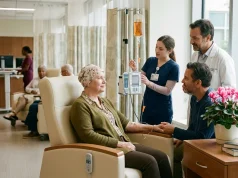

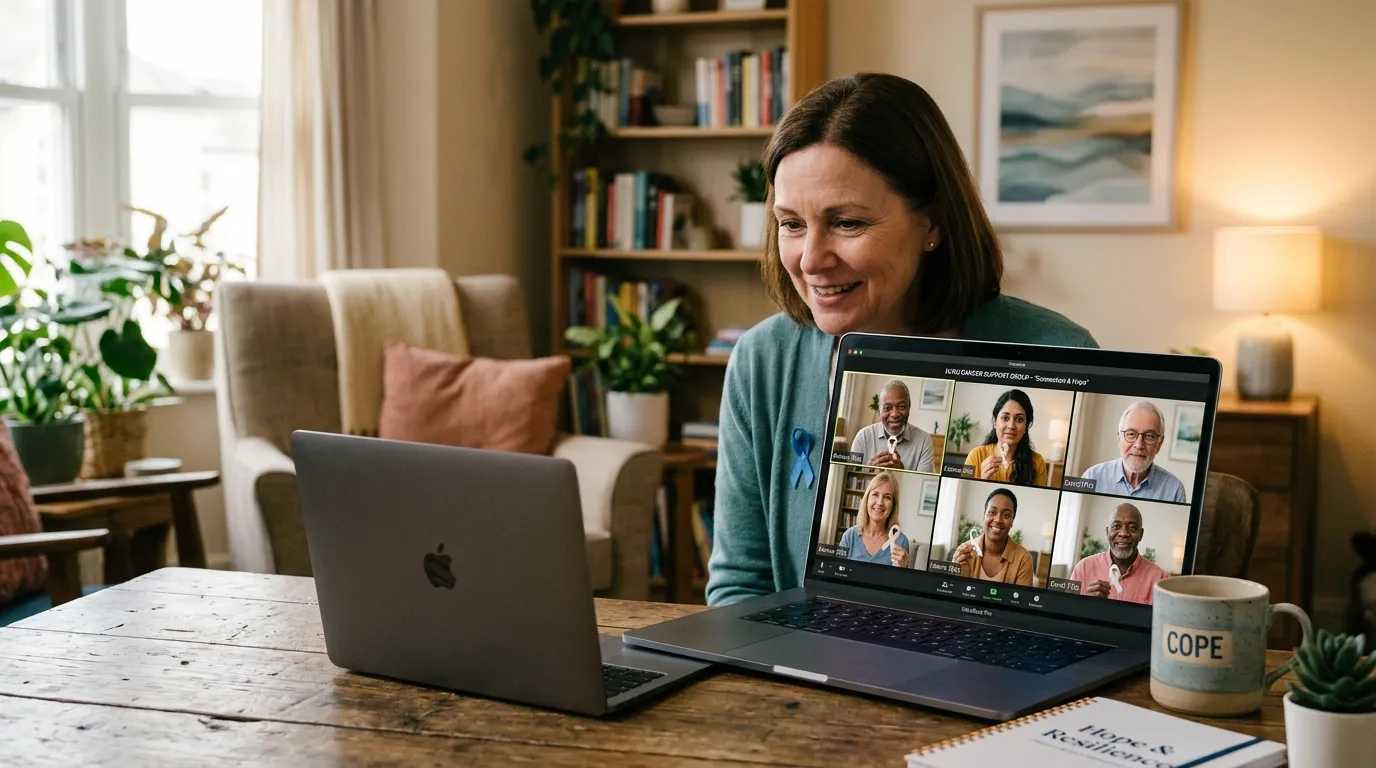
Facing a serious health diagnosis often feels incredibly isolating, but you never have to walk this challenging path by yourself. Exploring Lung Cancer Support Groups Online provides immediate access to compassionate peers and vital resources. Connecting with others helps you process complex emotions and discover powerful coping strategies right from your living room.
This comprehensive guide explains how to find and maximize the benefits of virtual support networks during your health journey. We explore various digital platforms, compare moderated forums with informal social media communities, and share expert tips for maintaining emotional wellness. Discover actionable advice to help both patients and families build meaningful, lasting connections and navigate their recovery with confidence.
The Growing Importance of Lung Cancer Support Groups Online
Receiving a serious respiratory diagnosis immediately alters your daily reality. Friends and family offer love, but they often struggle to understand the specific physical and emotional hurdles you face. This disconnect drives many individuals to seek out Lung Cancer Support Groups Online. These digital communities bridge the empathy gap by connecting you with people who truly understand your specific struggles, side effects, and triumphs.
Digital platforms remove geographical barriers that previously prevented patients from finding highly specific peer groups. If you live in a rural area, attending an in-person meeting requires significant travel, which proves difficult when managing intense fatigue or breathing challenges. Virtual networks allow you to log in from the comfort of your bed or couch. You gain instant access to global communities where someone is always awake and ready to listen.
Furthermore, participating in these communities provides a wealth of practical, day-to-day knowledge. While doctors explain clinical outcomes, fellow patients explain how to manage nausea, organize medical bills, or communicate effectively with your employer. This shared wisdom transforms a terrifying experience into a manageable, structured journey.
Overcoming the Initial Shock of Diagnosis
The days immediately following a diagnosis bring overwhelming anxiety. Engaging with digital peers who have survived and thrived years past their own initial shock provides immense hope. Seeing concrete examples of resilience gives newly diagnosed individuals the mental fortitude needed to begin their treatment protocols.
The Role of Shared Empathy
Empathy from someone who shares your exact disease profile hits differently than sympathy from a healthy relative. When you express frustration about specific side effects, the validation you receive from digital peers drastically reduces feelings of depression and loneliness.
Psychological Benefits of Digital Patient Connection
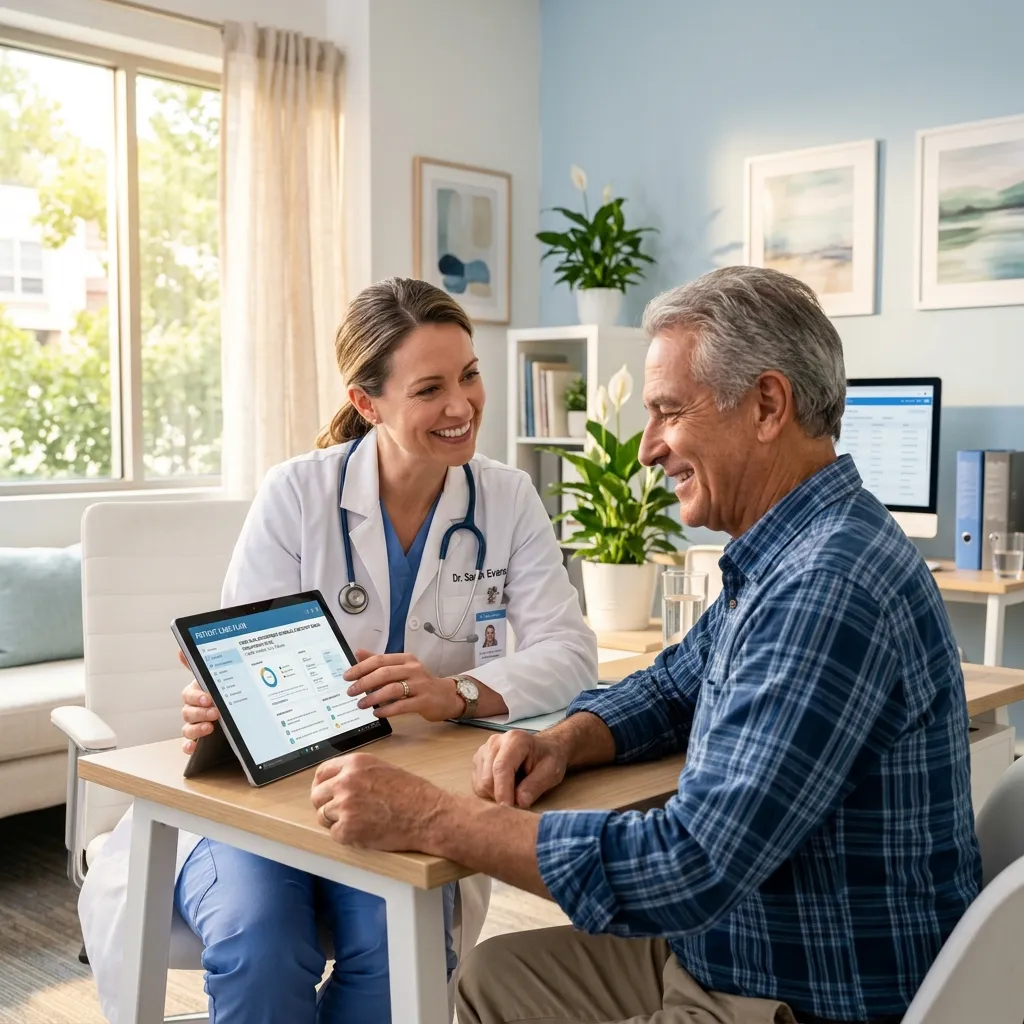
The mental toll of chronic illness frequently matches the physical burden. Anxiety, depression, and grief commonly accompany medical treatments. Engaging regularly with Lung Cancer Support Groups Online serves as a powerful psychological intervention. By sharing your personal narrative, you release pent-up emotional tension in a safe, non-judgmental environment.
Active participation in virtual communities fosters a profound sense of belonging. Illness often strips away your previous identity, forcing you to redefine who you are outside of your career or hobbies. Connecting with others allows you to build a new, supportive identity as a survivor and advocate. You realize that your experiences hold value and that your advice can actively help another person navigate their darkest days.
Mental health professionals consistently recommend peer support as an adjunct to traditional therapy. Many networks incorporate guided mindfulness practices into their weekly meetings, teaching members how to regulate their nervous systems through deep breathing and meditation. These shared exercises lower cortisol levels, improve sleep quality, and enhance your overall emotional resilience during grueling treatment phases.
Reducing Medical Anxiety
Waiting for scan results produces intense “scanxiety.” Discussing these fears with group members who understand the exact sensation helps normalize your panic. Members often share practical distraction techniques to help you survive the agonizing waiting periods between doctor visits.
Empowering Through Knowledge
Knowledge eliminates fear. When you interact with veteran patients, you learn the vocabulary of your disease. This health literacy empowers you to ask your oncologist better questions and take an active, confident role in your own treatment decisions.
Types of Virtual Support Networks Available
The digital landscape offers a wide variety of formats for patient interaction. Not everyone feels comfortable sharing their story on a live video feed, and others find text-based forums too impersonal. Understanding the different types of Lung Cancer Support Groups Online helps you find an environment that matches your specific communication style and emotional needs.
Live video conferences represent the closest alternative to traditional, in-person meetings. Facilitators host these sessions on platforms like Zoom or Microsoft Teams. Video meetings allow you to see facial expressions and hear the tone of voice, creating a deep sense of intimacy. These sessions usually follow a structured format, featuring guest speakers, educational presentations, and dedicated time for open sharing.
Message boards and moderated forums offer a different kind of flexibility. These asynchronous platforms allow you to post questions or read through archives at three in the morning when you cannot sleep. Forums usually feature specific categories, organizing threads by treatment type, stage of illness, or geographic location. This organization helps you bypass generalized advice and find highly targeted information relevant to your specific medical situation.
Email Lists and Newsletters
For those who prefer a less interactive approach, curated email lists provide a steady stream of survivor stories, medical updates, and encouragement directly to your inbox. You can absorb this information at your own pace without any pressure to respond or participate actively.
One-on-One Peer Matching Programs
Many national organizations offer specialized matching programs. They pair you with a mentor who shares your specific diagnosis, age, or gender. This one-on-one mentorship provides a deeply private, highly personalized support system.
Social Media Communities vs. Moderated Forums
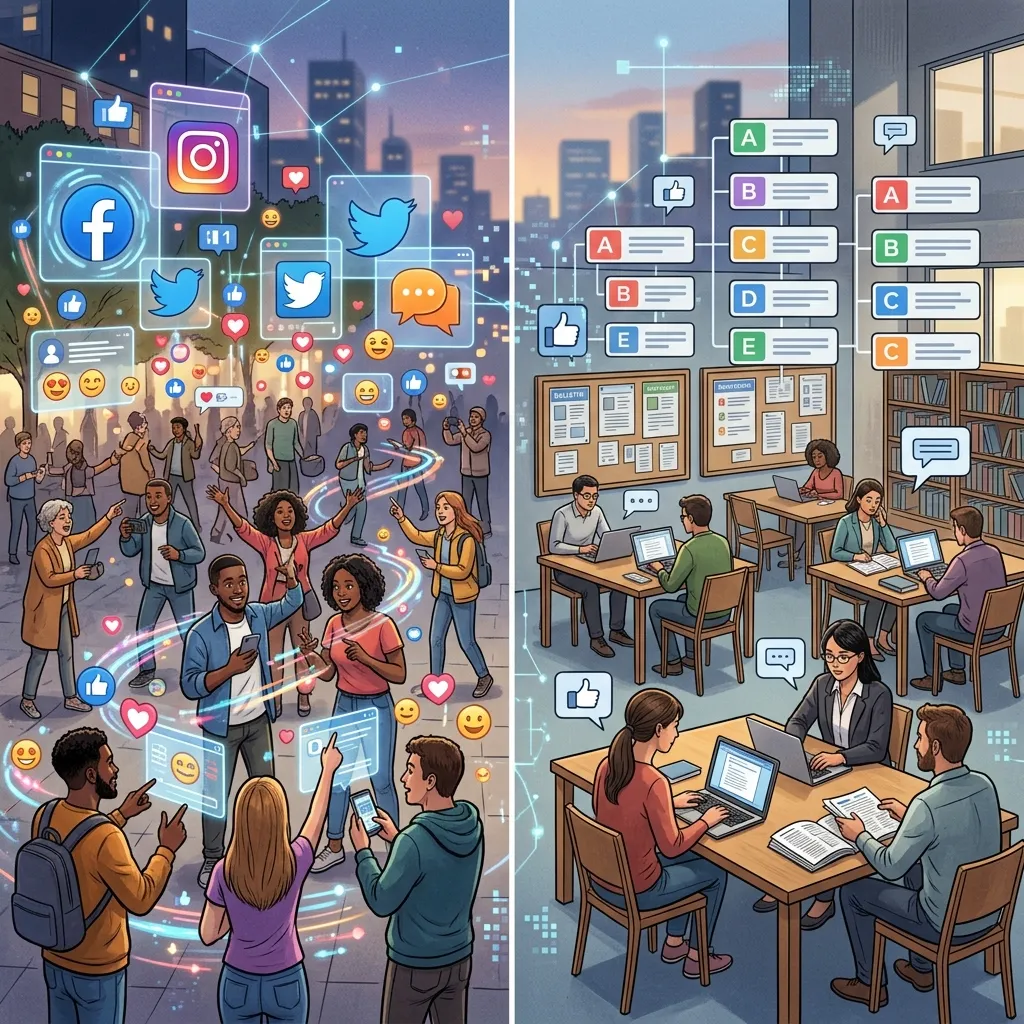
When searching for Lung Cancer Support Groups Online, you will likely encounter both informal social media groups and professionally moderated forums. Understanding the fundamental differences between these two platforms ensures you choose the safest, most beneficial environment for your mental health.
|
Feature |
Social Media Groups |
Moderated Forums |
|---|---|---|
|
Accessibility |
Instant access via existing apps |
Requires separate account creation |
|
Privacy Level |
Lower; algorithms may track activity |
Higher; closed systems protect data |
|
Moderation |
Often peer-moderated, less strict |
Professionally moderated by healthcare staff |
|
Information Accuracy |
High risk of unverified medical advice |
Medical claims are strictly fact-checked |
|
Pace of Interaction |
Fast-paced, real-time commenting |
Slower, highly organized and searchable |
|
Focus |
Casual conversation and emotional venting |
Structured education and specific advice |
As the table illustrates, professionally moderated forums provide a safer space for newly diagnosed patients who might feel overwhelmed by unverified medical claims. However, social media groups excel at providing instant, casual emotional support during late-night hours. Many patients successfully utilize a combination of both formats to meet their varying needs.
Expert Insights on Finding the Right Group
Healthcare professionals emphasize that not all digital communities are created equal. Finding the right fit requires patience and intentional evaluation. Experts recommend starting your search by consulting with oncology social workers. These dedicated professionals maintain updated lists of reputable, secure online communities affiliated with major medical centers and national advocacy organizations.
When you join a new group, adopt an observational approach for the first week. Experts call this “lurking.” Read through past conversations to assess the overall tone of the community. Does the group focus heavily on unverified alternative treatments, or do members encourage evidence-based medicine? A healthy group maintains a balanced culture, acknowledging the harsh realities of the disease while promoting hope, resilience, and medical compliance.
Professionals also advise paying close attention to the group’s leadership structure. The most effective groups utilize trained facilitators who keep conversations productive and prevent a single member from dominating the discussion. If a group feels chaotic, overwhelmingly negative, or heavily promotes specific dietary supplements for profit, experts strongly suggest leaving immediately and seeking a more structured environment.
Setting Personal Boundaries
You must define your own emotional limits before engaging deeply. If reading about other members experiencing disease progression causes you severe panic, you have full permission to log off and step away. Your primary responsibility is protecting your own psychological well-being.
Embracing Diversity in Treatment
A quality group respects that every patient’s body reacts differently. When members share their targeted therapy experiences, the community should celebrate successes without making others feel inadequate if their own treatments yield different results.
Common Mistakes to Avoid When Seeking Online Support
Navigating digital health communities presents unique challenges. Avoiding common pitfalls ensures your experience remains positive and constructive. One major mistake involves treating peer advice as a substitute for professional medical counsel. While fellow patients offer incredible lifestyle tips, you must never alter your medication dosage or abandon a prescribed treatment based on a forum post. Always verify new information with your dedicated oncology team.
Another frequent error is absorbing the trauma of others too deeply. In any health-focused community, members will inevitably face severe setbacks or pass away. If you lack strong emotional boundaries, you might internalize their grief, leading to severe emotional exhaustion. You must practice psychological compartmentalization, recognizing that another person’s outcome does not dictate your own medical future.
Finally, avoid sharing excessive personal identifying information. Even in closed groups, digital privacy remains a concern. Do not post your exact address, full birth date, or sensitive financial information. Maintain a respectful level of anonymity to protect yourself from potential medical identity theft or targeted digital scams.
- Comparing Your Journey: Avoid comparing your scan results or side effects to others. Lung cancer encompasses numerous genetic mutations, making every case entirely unique.
- Engaging in Arguments: Do not waste precious energy arguing with strangers over treatment philosophies. Scroll past inflammatory posts and protect your peace.
- Over-Committing Your Time: Do not feel obligated to reply to every single post or attend every video meeting. Use the group when you need it, and step away when you need rest.
The Danger of Miracle Cures
Desperation breeds vulnerability. Be extremely wary of individuals messaging you privately to sell “miracle” supplements or unverified overseas treatments. Report these predatory accounts to the group moderators immediately.
Recognizing When to Leave
If a group consistently leaves you feeling more anxious, depressed, or fearful than when you logged on, it no longer serves its purpose. Trust your instincts and gracefully exit toxic or overwhelming digital environments.
Essential Resources for Caregivers and Family Members
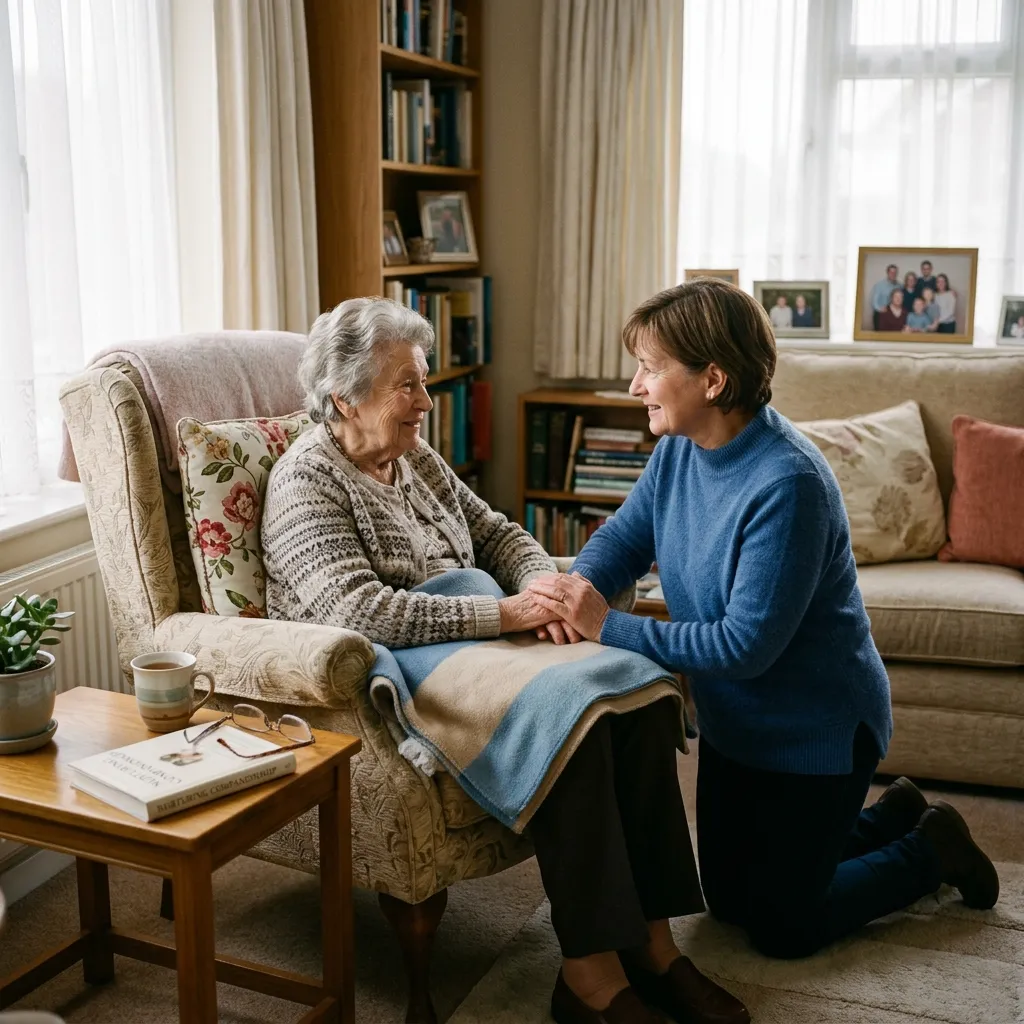
The ripple effects of a serious diagnosis touch everyone in the patient’s orbit. Spouses, children, and close friends frequently shoulder massive physical and emotional burdens. Consequently, specialized Lung Cancer Support Groups Online exist specifically for caregivers. These networks provide a safe space for family members to express the fears and frustrations they cannot share with the patient.
Addressing caregiver burnout remains the primary focus of these dedicated groups. Caring for a sick loved one involves managing complex medication schedules, coordinating insurance claims, and handling household duties simultaneously. Caregiver forums offer practical strategies for organizing medical paperwork, requesting family leave from employers, and finding temporary respite care. They remind family members that prioritizing their own physical health is not selfish; it is absolutely necessary for sustainable caregiving.
Furthermore, these groups connect families with vital external resources. Members frequently share links to patient advocacy networks, financial assistance programs, and local meal-delivery charities. By tapping into this collective knowledge, caregivers build a robust external support system, preventing the deep isolation that often accompanies long-term medical care.
Utilizing Telehealth for Mental Health
When caregiving duties make leaving the house impossible, telehealth counseling provides a lifeline. Many online caregiver networks partner with licensed therapists who offer virtual sessions, ensuring family members receive professional psychological support without disrupting their caregiving schedules.
Supporting Children and Teens
Explaining a severe illness to young family members requires delicate communication. Caregiver groups frequently share age-appropriate books, videos, and specialized digital camps designed to help children process their parents’ medical journeys safely.
Maximizing Your Experience and Building Lasting Bonds
To extract the maximum value from Lung Cancer Support Groups Online, you must transition from a passive reader to an active participant. Start by introducing yourself clearly. Share your specific diagnosis, the treatments you currently undergo, and what you hope to gain from the community. A clear introduction allows veteran members to welcome you properly and direct you toward relevant resources and discussion threads.
As you become more comfortable, look for opportunities to support others. Navigating a cancer diagnosis terrifies newcomers. When you see a post from someone who was diagnosed just yesterday, take five minutes to reply with a message of hope and solidarity. Sharing the coping mechanisms that helped you during your first week pays the support forward and reinforces your own emotional resilience.
Over time, you will likely form deep, personal bonds with specific members who share similar experiences or outlooks. Many patients transition these connections outside the main group, forming private group chats or arranging localized meetups when they travel for specialized treatments. These profound friendships, forged in the fires of shared adversity, often become some of the most meaningful relationships in a patient’s life.
Participating in Advocacy and Research
As you gain strength, consider joining patient advocacy networks highlighted within your group. Raising awareness, participating in digital fundraising walks, and lobbying for research funding transforms your personal battle into a broader movement for systemic change.
Embracing Pulmonary Rehabilitation Together
Many groups host virtual exercise challenges. Participating in gentle, guided pulmonary rehabilitation exercises via video link with your peers provides accountability and makes physical therapy significantly more enjoyable.
Conclusion
Engaging with Lung Cancer Support Groups Online fundamentally changes how you experience your medical journey. By connecting with compassionate peers, accessing expert resources, and setting healthy emotional boundaries, you transform isolation into empowerment. Take the first step toward building your virtual support network today, and discover the profound strength that comes from a community that truly understands.
FAQs
1. How do I find reputable Lung Cancer Support Groups Online?
Start by asking your oncology social worker or healthcare team for recommendations. You can also visit the official websites of major national health organizations and cancer advocacy groups, as they frequently host or endorse secure, professionally moderated digital communities.
2. Are these online meetings completely free to join?
Yes, the vast majority of legitimate support groups operate completely free of charge. They are typically funded by charitable donations or national health advocacy organizations. Be extremely wary of any group demanding a subscription fee or credit card information for access.
3. Do I have to show my face on video calls?
No. Most facilitators completely understand that patients experience days of severe fatigue or discomfort. You are always welcome to leave your camera off, mute your microphone, and simply listen to the conversation until you feel comfortable sharing.
4. Is it safe to share my medical information online?
While sharing general information about your diagnosis helps you connect with others, you should never share sensitive identifying data like your home address, social security number, or specific hospital room numbers. Always prioritize your personal digital privacy.
5. Can family members join the same groups as patients?
Some groups welcome both patients and caregivers to foster open communication. However, many organizations host strictly separated groups to ensure patients have a safe space to vent about family dynamics, and caregivers have a private space to discuss caregiver burnout.
6. What if someone gives me medical advice that contradicts my doctor?
Always defer to your dedicated oncology team. Online communities provide excellent lifestyle tips and emotional support, but they cannot replace professional medical judgment. Never alter your medications or treatment protocols based on advice from a digital forum.
7. How are moderated forums different from Facebook groups?
Moderated forums typically require secure registration and are overseen by trained healthcare professionals or social workers who fact-check medical claims and ensure conversations remain constructive. Facebook groups are often informal, peer-run, and carry a higher risk of unverified information.
8. What should I do if a group makes me feel more depressed?
If reading about other people’s disease progression triggers severe anxiety or depression, give yourself immediate permission to leave the group. Your primary focus must be your own mental health. Consider seeking one-on-one telehealth counseling instead.
9. Can I find groups specific to my genetic mutation?
Absolutely. As precision medicine advances, online communities have become highly specialized. You can easily find private forums dedicated exclusively to patients managing specific genetic markers, allowing you to discuss highly targeted therapy experiences.
10. How can these groups help with practical daily challenges?
Veteran members possess incredible practical knowledge. They can advise you on the best types of clothing to wear during radiation, how to arrange comfortable sleeping positions, ways to manage treatment-induced nausea, and strategies for navigating complex insurance claims.