

Receiving a chronic myeloid leukemia diagnosis feels incredibly overwhelming. You do not have to face this journey alone. Joining dedicated CML Support Groups offers profound emotional relief, connects you with people who understand your struggles, and helps you navigate treatment challenges successfully.
Navigating life after a blood cancer diagnosis requires reliable information and emotional backing. This comprehensive guide explores how CML Support Groups transform the patient experience. You will learn about the different types of communities available, compare online versus in-person formats, and discover actionable strategies to maximize your participation. We also cover expert tips and common pitfalls to ensure you find the perfect community.
Understanding the Deep Importance of CML Support Groups
When you face a chronic illness, medical treatments only address your physical symptoms. The emotional burden requires an entirely different kind of care. This is exactly where CML Support Groups step in to bridge the gap between clinical care and human connection. Patients frequently report feeling isolated because friends and family, despite their best intentions, simply cannot fully grasp the daily realities of living with blood cancer. By participating in CML Support Groups, you immediately surround yourself with individuals who truly understand your specific fears, symptoms, and triumphs. Finding the right community provides a safe space to share vulnerabilities without the fear of being judged or misunderstood.
Research consistently shows that active participation in CML Support Groups greatly improves a patient’s overall quality of life. These environments foster a unique sense of belonging. Members share practical advice on managing side effects from medications, discussing strategies for tyrosine kinase inhibitors and other targeted therapies. Having a space to talk about these highly specific medical experiences reduces anxiety and helps you regain a sense of control over your health. Furthermore, CML Support Groups often invite guest speakers, such as oncologists, nutritionists, and mental health professionals, providing you with direct access to expert knowledge outside of a sterile clinical setting.
The benefits of CML Support Groups extend far beyond simple conversation. These communities actively promote health literacy. As you listen to others discuss their lab results, treatment milestones, and coping mechanisms, you become better equipped to advocate for yourself during medical appointments. Understanding the nuances of chronic phase management becomes much easier when you can discuss it with peers who have navigated the exact same medical protocols. Ultimately, CML Support Groups transform fear into empowerment, giving you the tools to live a full, vibrant life despite your diagnosis.
Moreover, the collective wisdom found within CML Support Groups acts as a living, breathing resource library. You can learn about financial assistance programs, disability applications, and strategies for communicating with employers. CML Support Groups essentially function as a vital compass, guiding you through the often confusing and bureaucratic healthcare system while ensuring your emotional needs remain a top priority.
The Psychological Impact of a Diagnosis and How CML Support Groups Help

Hearing that you have leukemia triggers a profound psychological shock. The initial weeks are often a blur of medical jargon, blood tests, and intense anxiety. During this vulnerable time, CML Support Groups offer a critical psychological safety net. Depression and anxiety are incredibly common among newly diagnosed patients. CML Support Groups provide an immediate outlet for these intense emotions. Expressing your fears about mortality, treatment side effects, or financial strain within CML Support Groups validates your feelings, preventing the dangerous spiral of internalizing your stress.
Many patients experience a phenomenon known as medical PTSD. The constant anxiety surrounding blood tests, bone marrow biopsies, and scan results can take a massive toll on your nervous system. In CML Support Groups, members actively discuss scanxiety and share proven coping mechanisms to regulate the nervous system. Whether it is deep breathing exercises, mindfulness techniques, or simply having someone to text while sitting in the waiting room, CML Support Groups offer tangible tools for preserving your emotional resilience. You learn how to separate your identity from your illness.
Additionally, CML Support Groups address the shifting dynamics within your personal relationships. A cancer diagnosis forces changes in household roles and responsibilities. Sometimes, relationships become strained. Within CML Support Groups, you can safely discuss these interpersonal challenges. Members often share how they successfully communicated their boundaries and needs to their spouses, children, and friends. By leveraging the experiences shared in CML Support Groups, you can navigate these delicate conversations with greater empathy and clarity, preserving your vital support networks at home.
It is also important to note that caregivers experience profound psychological distress alongside the patient. Many comprehensive CML Support Groups offer concurrent sessions for family members to prevent caregiver burnout. When your loved ones receive proper psychological support through their own branches of CML Support Groups, they become better equipped to care for you. The holistic healing provided by CML Support Groups ensures that both the patient and the family unit can process grief, adapt to the new normal, and find moments of joy amidst the clinical reality.
Exploring the Different Types of CML Support Groups Available Today
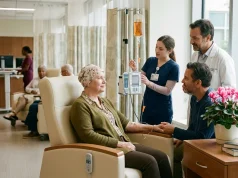
The landscape of patient advocacy has evolved significantly, offering several different formats of CML Support Groups to meet diverse needs. Hospital-based CML Support Groups are perhaps the most traditional. Facilitated by oncology social workers or nurses, these CML Support Groups meet directly at cancer centers. They offer a highly structured environment where medical professionals guide the conversation, ensuring clinical accuracy while maintaining a supportive atmosphere. These local CML Support Groups are excellent for patients who prefer face-to-face interaction and want to connect with individuals treated at the same facility.
Independent non-profit organizations also host fantastic CML Support Groups. Organizations like the Leukemia & Lymphoma Society provide professionally moderated CML Support Groups that bring together patients from broader geographic areas. These CML Support Groups often have significant resources behind them, offering comprehensive educational materials, financial guidance, and established advocacy networks. Because they focus specifically on blood cancers, these CML Support Groups offer a highly tailored experience where members share incredibly relevant, disease-specific insights regarding long-term survivorship.
Peer-led CML Support Groups represent another vital option. Unlike professionally moderated sessions, these CML Support Groups are organized and run entirely by fellow patients. The atmosphere in peer-led CML Support Groups is often more informal and intimate. Members form deep bonds, sharing unfiltered experiences about the daily grind of living with chronic illness. These CML Support Groups rely on mutual empathy rather than clinical guidance. Many patients find that peer-led CML Support Groups offer the most authentic sense of community, as everyone in the room shares the same lived reality without the dynamic of a medical authority figure leading the room.
Finally, specialized demographic CML Support Groups cater to specific patient populations. For example, there are CML Support Groups exclusively for young adults, CML Support Groups for parents managing the disease while raising children, and CML Support Groups focused on specific cultural or linguistic backgrounds. Finding CML Support Groups that align with your specific life stage ensures that the advice and empathy you receive perfectly match your daily reality.
Comparing Online and In-Person CML Support Groups
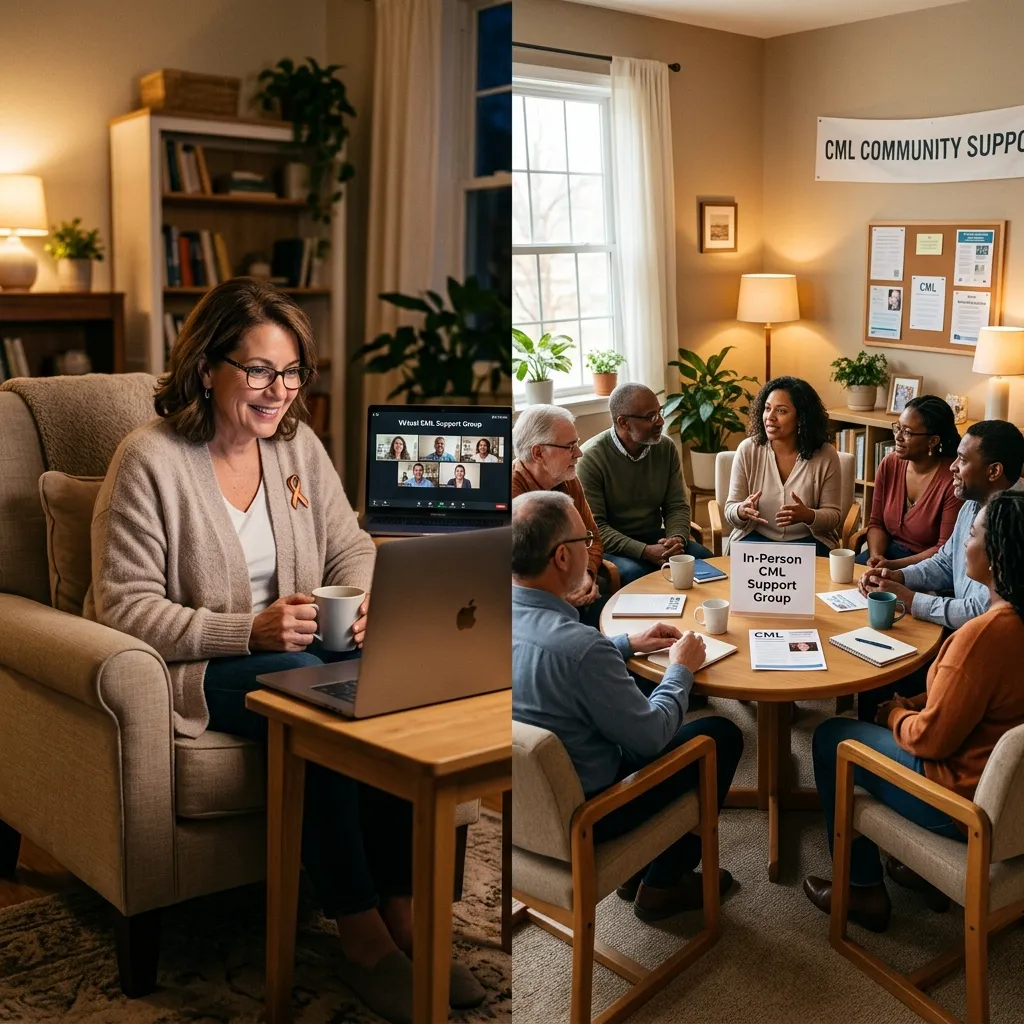
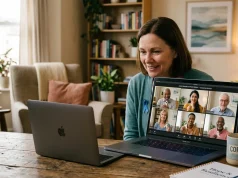
Choosing between online and in-person CML Support Groups heavily influences your overall experience. Digital CML Support Groups have surged in popularity, offering unprecedented convenience and accessibility. For patients managing severe fatigue, compromised immune systems, or those living in rural areas, virtual CML Support Groups provide an absolute lifeline. You can log into virtual CML Support Groups from the comfort of your couch, eliminating the stress and expense of commuting to a hospital. Furthermore, online CML Support Groups operate across different time zones, meaning you can often find 24/7 support through forums and social media networks.
However, in-person CML Support Groups offer a depth of human connection that is difficult to replicate through a screen. Sharing physical space with others fosters an immediate sense of intimacy. In local CML Support Groups, you can read body language, share a comforting hug, and form local friendships that extend beyond the designated meeting times. Members of in-person CML Support Groups often organize social outings, charity walks, and community events, building a robust local network. The structured nature of in-person CML Support Groups, usually held in quiet, dedicated spaces, also minimizes distractions, allowing for deeper focus and reflection.
To help you decide which format of CML Support Groups best suits your current lifestyle and medical needs, we have created a clear comparison outlining the key advantages and potential drawbacks of both models.
|
Feature |
Online CML Support Groups |
In-Person CML Support Groups |
|---|---|---|
|
Accessibility |
Very high; join from anywhere with internet. |
Requires travel; limited by location and mobility. |
|
Anonymity |
High; you can use a screen name or keep the camera off. |
Low; requires face-to-face visibility and interaction. |
|
Schedule Flexibility |
Excellent; forums and groups are available 24/7. |
Rigid; set meeting times (e.g., first Tuesday of the month). |
|
Infection Risk |
Zero risk of catching seasonal illnesses. |
Moderate risk depending on the season and facility protocols. |
|
Depth of Connection |
Can take longer to build deep, trusting relationships. |
Fosters immediate, profound personal connections and local friendships. |
Many patients ultimately choose a hybrid approach, actively participating in local, monthly in-person CML Support Groups while maintaining daily contact with global peers through online CML Support Groups. This strategy maximizes the benefits of both formats.
How CML Support Groups Improve Treatment Adherence and Medical Outcomes
The correlation between emotional support and physical health is well documented, and CML Support Groups play a massive role in improving medical outcomes. Chronic myeloid leukemia requires strict adherence to daily oral medications. Missing even a few doses can compromise the effectiveness of the treatment and trigger a relapse. CML Support Groups significantly boost treatment adherence by normalizing the daily challenges of medication management. When you participate in CML Support Groups, members hold each other gently accountable.
CML Support Groups also serve as practical problem-solving forums for managing medication side effects. For example, if a patient experiences intense nausea or muscle cramps, they can ask their peers in CML Support Groups how they managed similar issues. While this advice never replaces a doctor’s orders, the practical tips shared in CML Support Groups—like taking medication with a specific type of food or at a certain time of day—can drastically improve a patient’s daily comfort. When side effects are managed effectively through the communal knowledge of CML Support Groups, patients are much less likely to abandon their treatment protocols.
Furthermore, participating in CML Support Groups helps patients navigate the complex landscape of health insurance and medication costs. The financial toxicity of cancer care often forces patients to skip doses to save money. However, seasoned members of CML Support Groups frequently share resources for grants, co-pay assistance foundations, and navigating insurance appeals. By accessing this collective financial wisdom within CML Support Groups, newly diagnosed patients can secure the funding they need to maintain their essential treatment regimens without facing complete financial ruin.
Ultimately, CML Support Groups empower you to become an active participant in your healthcare rather than a passive recipient. When you learn how to interpret your PCR (polymerase chain reaction) results by discussing them in CML Support Groups, you can engage in higher-level conversations with your hematologist. This informed advocacy, fostered directly by CML Support Groups, ensures that your medical team provides the most aggressive, effective, and personalized care possible.
Actionable Steps for Finding the Right CML Support Groups for You
Finding the perfect CML Support Groups requires a bit of research and a willingness to try different environments. Not all CML Support Groups will perfectly align with your personality or needs, and that is completely normal. The first step to finding ideal CML Support Groups is to consult your oncology team. Hospital social workers maintain extensive directories of local and regional CML Support Groups. They can often provide a direct referral to professionally moderated CML Support Groups that meet right in the building where you receive your treatment.
Next, explore major non-profit websites. Organizations like the American Cancer Society and the Leukemia & Lymphoma Society offer searchable databases for finding registered CML Support Groups by zip code. These platforms guarantee that the CML Support Groups listed meet specific standards for privacy and moderation. When searching for online CML Support Groups, look for private, moderated spaces rather than open public forums. Private CML Support Groups ensure that your medical information remains confidential and that the community remains free from spam or unverified medical advice.
- Attend at least three different meetings before deciding if specific CML Support Groups are the right fit for you.
- Ask the group facilitator about the core rules and guidelines governing the CML Support Groups to ensure they prioritize respect and privacy.
- Identify whether you prefer educational CML Support Groups focused on medical data, or emotional CML Support Groups focused on psychological healing.
Take notes during your first few sessions with any CML Support Groups. Pay attention to how the facilitator manages the conversation. Effective CML Support Groups allow everyone a chance to speak without letting one individual dominate the entire session. If you leave CML Support Groups feeling drained rather than uplifted, give yourself permission to leave and find a different community. The right CML Support Groups should ultimately leave you feeling validated, informed, and hopeful about your future.
Common Mistakes to Avoid When Engaging with CML Support Groups

While CML Support Groups offer incredible benefits, navigating these communities requires mindfulness to avoid common pitfalls. One of the biggest mistakes patients make is treating CML Support Groups as a substitute for professional medical advice. It is vital to remember that while the people in your CML Support Groups have extensive lived experience, they are not your oncologists. Never change your medication dosage, stop a treatment, or start a new supplement based solely on advice heard in CML Support Groups. Always cross-reference information gathered from CML Support Groups with your personal medical team.
Another common mistake in CML Support Groups is absorbing the trauma of others to the detriment of your own mental health. CML Support Groups naturally involve discussions about disease progression, treatment failure, and occasionally, loss. If you are in a vulnerable state, listening to these difficult stories in CML Support Groups can trigger severe anxiety. It is crucial to practice emotional boundaries. If the conversation in your CML Support Groups becomes too heavy, it is perfectly acceptable to step out of the room, log off the computer, or redirect the conversation to a more positive topic.
Finally, do not expect CML Support Groups to instantly fix all your emotional struggles. CML Support Groups are a single tool within a broader mental health strategy. Relying exclusively on CML Support Groups while ignoring the need for individual therapy or psychiatric support can slow your emotional healing. Use CML Support Groups for community connection, but seek one-on-one professional counseling to process deep-seated medical trauma. Maintaining realistic expectations about what CML Support Groups can and cannot provide ensures a healthy, sustainable relationship with the community.
Pro Tips and Expert Insights for Participating in CML Support Groups
To extract the maximum value from your CML Support Groups, you must engage actively and intentionally. Experts recommend setting a personal intention before attending CML Support Groups. Ask yourself what you need from the session. Do you need to vent about a frustrating doctor’s appointment, or do you simply need to sit quietly and listen to others? Communicating your needs directly to the members of your CML Support Groups helps them provide the exact type of support you require that day.
Another expert tip for thriving in CML Support Groups is to practice active listening. The magic of CML Support Groups lies in mutual reciprocity. When you validate another member’s feelings, you contribute to the healing atmosphere of the entire room. Avoid the temptation to offer immediate solutions when someone shares a struggle in CML Support Groups. Often, people in CML Support Groups just want to be heard. Responding with “I understand exactly how hard that is” is frequently more powerful than saying “Here is how you should fix it.”
Furthermore, as you become a veteran member of your CML Support Groups, embrace the role of a mentor. Helping newly diagnosed patients navigate their early days in CML Support Groups can provide a profound sense of purpose. Sharing your story of survival and stability in CML Support Groups injects massive hope into the room. By giving back to your CML Support Groups, you reinforce your own emotional strength and solidify the community bonds that make these groups so incredibly vital to the cancer journey.
Conclusion
Navigating leukemia requires immense courage, but you do not have to walk this path alone. Engaging with dedicated CML Support Groups provides the emotional validation, practical knowledge, and profound community connection necessary to thrive during treatment. Take the first step toward building your safety net today. Reach out to your local cancer center, explore reputable online communities, and discover the powerful healing that CML Support Groups can bring to your life.
Frequently Asked Questions
1. Are CML Support Groups completely free to join?
Yes, the vast majority of legitimate CML Support Groups are entirely free. Organizations like the Leukemia & Lymphoma Society, hospital networks, and community centers fund these programs to ensure all patients have access. You should never have to pay a membership fee to access basic emotional support and community connection within standard CML Support Groups.
2. Can my spouse or caregiver attend CML Support Groups with me?
This depends on the specific rules of the CML Support Groups you choose. Some CML Support Groups welcome caregivers and family members to foster collective healing, while others strictly limit attendance to patients to ensure a highly focused, relatable environment. Always check with the facilitator of the CML Support Groups before bringing a guest.
3. How do I know if online CML Support Groups are safe and private?
When searching for online CML Support Groups, look for private, moderated platforms rather than public message boards. Ensure the CML Support Groups require members to answer screening questions before joining and enforce strict rules against sharing personal medical documents or soliciting products. Trusted organizations usually moderate their virtual CML Support Groups heavily.
4. What if I feel worse after attending CML Support Groups?
It is not uncommon to feel emotionally drained after your first few sessions in CML Support Groups, as hearing about cancer is inherently heavy. However, if specific CML Support Groups consistently increase your anxiety or depression, it is a sign that the group dynamics do not fit your needs. Do not hesitate to leave and try different CML Support Groups.
5. Do CML Support Groups offer professional medical advice?
No. While CML Support Groups are excellent for sharing lived experiences and practical coping strategies, they do not replace your oncologist. Any medical information, especially regarding drug dosages or clinical trials discussed in CML Support Groups, must be independently verified by your personal healthcare provider.
6. Are there CML Support Groups for young adults?
Yes, several organizations recognize that younger patients face unique challenges regarding fertility, careers, and dating. You can find specialized CML Support Groups dedicated strictly to the AYA (Adolescent and Young Adult) demographic through major cancer advocacy networks and specialized online community platforms.
7. How often do in-person CML Support Groups usually meet?
Most local, in-person CML Support Groups meet on a monthly or bi-weekly basis. This schedule allows members to maintain their daily routines while ensuring consistent check-ins. Online CML Support Groups, on the other hand, offer continuous, daily interaction through forums and social media threads.
8. Will I be forced to speak during CML Support Groups?
Absolutely not. Reputable CML Support Groups respect every member’s comfort level. If you prefer to simply sit, listen, and absorb the information without sharing your own story, you are welcome to do so. The facilitators of professional CML Support Groups will never pressure a participant to speak before they are ready.
9. Can CML Support Groups help me find financial assistance?
While CML Support Groups do not hand out money directly, they are incredible networking hubs for financial information. Members of CML Support Groups frequently share links to open co-pay assistance grants, travel stipends, and advice on how to navigate the complexities of disability applications and insurance appeals.
10. How do I start my own CML Support Groups if none exist locally?
If you cannot find local CML Support Groups, you can start a peer-led group. Reach out to your local hospital’s oncology social worker or a national leukemia charity for a starter kit. They can provide guidelines on how to secure a meeting space, structure conversations, and market your new CML Support Groups to the local community.