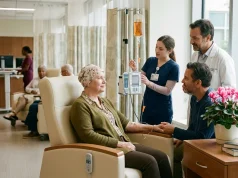

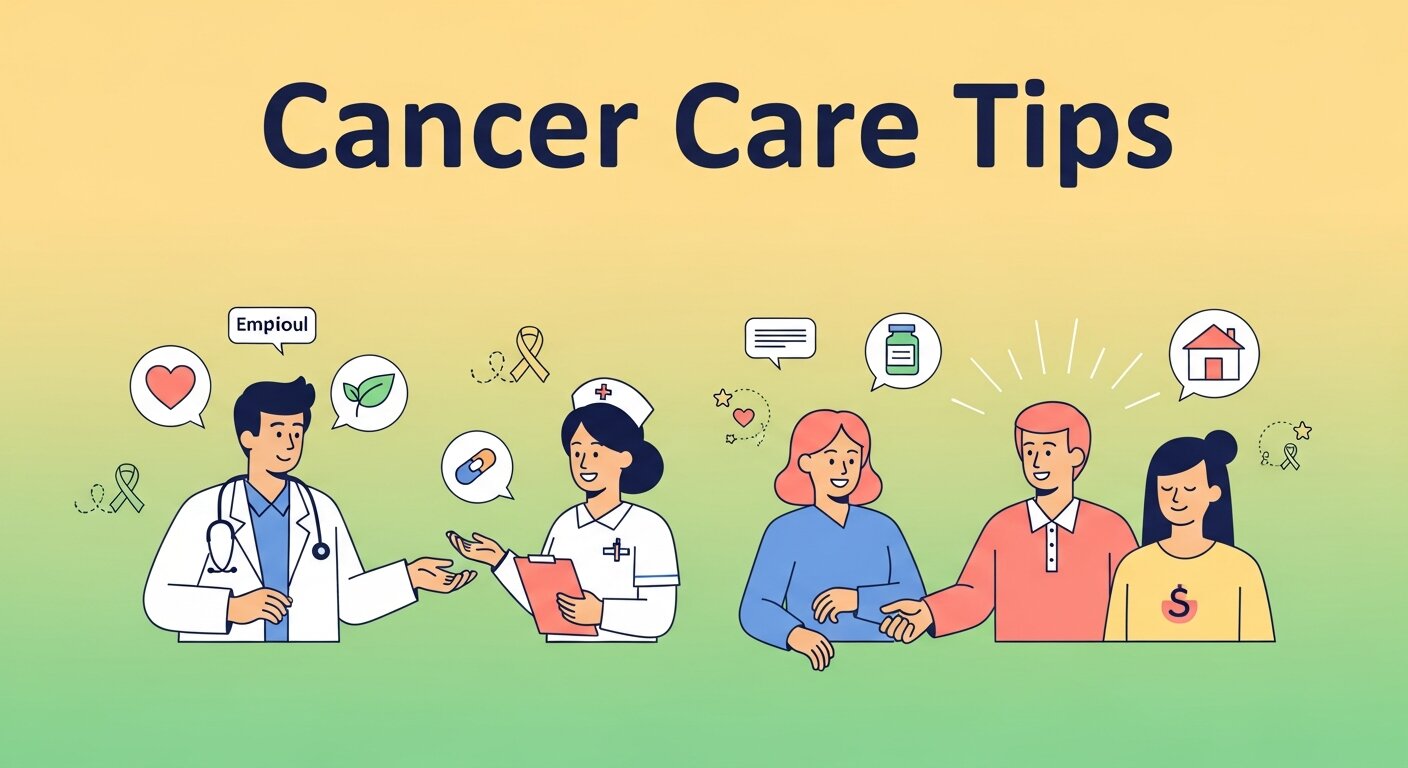
Cancer Care Tips provide essential guidance for navigating diagnosis, treatment, and recovery with confidence. By understanding your options, building a strong support system, and adopting healthy lifestyle habits, patients can improve outcomes and enhance well-being. Reliable information and proactive care empower individuals to manage challenges and support long-term healing effectively.
Healthcare professionals emphasize evidence-based approaches and holistic practices in oncology care. By integrating expert recommendations from reputable sources like the National Cancer Institute and the Centers for Disease Control and Prevention, readers can access proven techniques for managing side effects, boosting nutrition, and cultivating resilience. Whether you are newly diagnosed, in active treatment, or focused on post-therapy healing, these guidelines aim to support every phase of the cancer care continuum. Let’s embark on a comprehensive overview designed to empower patients, caregivers, and loved ones with essential cancer care tips for a more confident and hopeful experience.
By weaving together medical advice and compassionate strategies, essential cancer care tips serve as a roadmap to optimize health outcomes. With careful planning and ongoing communication, you can work alongside your oncologists and allied health providers to shape a customized plan that honors your goals and lifestyle. Below, we delve into key areas—from interpreting test results to fostering mental well-being—to help you feel more in control and prepared for each step ahead.
Understanding Your Diagnosis
Receiving a cancer diagnosis initiates a series of questions and decisions. Begin by asking your care team to detail the type of cancer, staging, and biomarkers that influence treatment recommendations. Tumor markers such as hormone receptors or genetic mutations can guide targeted therapies available in clinical trials. If you feel uncertain, seek a second opinion at a leading cancer center. Today’s technology allows you to review pathology reports and imaging results online, promoting clarity and informed dialogue with specialists.
Documentation is crucial: maintain organized records of biopsy reports, radiology images, and laboratory results. Tools like patient portals offered by institutions such as National Cancer Institute and Centers for Disease Control and Prevention grant access to up-to-date research and guidelines. Bring a trusted friend or family member to appointments to help capture details and ask follow-up questions. Jotting down key terms and action points ensures you remember next steps, including potential genetic counseling or referrals to sub-specialists.
Clinical trials can present additional treatment avenues. Investigate opportunities through registries like ClinicalTrials.gov and inquire about eligibility criteria. Participation in research studies may grant access to cutting-edge therapies while contributing to scientific progress. Balancing standard treatments—such as surgery, chemotherapy, or radiation—with experimental options demands open communication. By understanding the rationale behind each recommendation, you become an active partner in your care, equipped with essential cancer care tips that align with your personal values and health objectives.
Clarifying insurance benefits and financial resources is another vital piece. Consult a financial navigator at your treatment facility or a social worker to explore assistance programs. Many non-profit organizations offer grants for travel, medication copays, and home care. Staying informed about coverage options alleviates stress and allows you to focus on therapy and recovery. Embracing a proactive stance from the outset creates a solid foundation for subsequent stages, ensuring that each intervention aligns with both medical best practices and your individual circumstances.
Creating a Support System

Cancer care requires a strong network of emotional and practical support. Begin by communicating openly with close family and friends about your needs and preferences. Specify which tasks you would like help with, such as transportation to appointments, meal preparation, or childcare. When responsibilities are clearly assigned, loved ones can respond effectively instead of guessing at how to assist. This approach not only lightens your burden but also fosters deeper connections during a challenging time.
Join peer-led groups—either in person or online—to connect with individuals facing similar experiences. Many hospitals and community centers host support circles, while web-based platforms like online forums and social media communities enable sharing of practical advice and emotional encouragement. Engaging with others who understand the unique stressors of treatment can reduce feelings of isolation and illuminate coping techniques that have worked for peers. For example, tips on managing chemotherapy-induced neuropathy or strategies for dealing with hair loss provide tangible takeaways.
Professional counseling complements peer support by offering specialized strategies for coping with anxiety, fear, and grief. Licensed therapists trained in oncology care can guide you through mindfulness practices, cognitive-behavioral techniques, and stress management exercises. If group sessions feel overwhelming, consider one-on-one teletherapy through accredited programs at universities or reputable mental health organizations. Confidential conversations with trained professionals give you space to process emotions and make thoughtful decisions about your health journey.
Caregiver support is equally essential. If you are a loved one in a caregiving role, remember that you too need resources to sustain your well-being. Respite services, caregiver workshops, and educational materials help you navigate tasks like medication management, dietary planning, and physical assistance. Taking time for your own rest, nutrition, and medical checkups ensures that you can remain fully present for the patient. In collaboration with healthcare providers, both patients and caregivers can access comprehensive resources, turning individualized care into a team effort built on trust and mutual strength.
Technology can further streamline communication and coordination. Shared calendars on mobile devices keep track of medical visits, lab tests, and medication schedules. Group messaging apps allow family and friends to sign up for support tasks or share uplifting messages. Virtual care platforms also facilitate video check-ins with healthcare professionals, reducing travel demands and protecting vulnerable immune systems. By leveraging digital tools alongside personal connections, you craft a resilient network attuned to your evolving needs, reinforcing essential cancer care tips with collaborative energy and collective compassion.
Managing Treatment Effects
Side effects from treatments like chemotherapy, radiation, and surgery can challenge daily routines and diminish quality of life. A proactive symptom management plan helps you maintain comfort and activity levels. Before treatment begins, discuss potential side effects with your oncology team and outline mitigation strategies. Antiemetic medications, for instance, can significantly reduce nausea, while growth factors may help manage low blood cell counts. Understanding these options ahead of time eases anxiety and sets realistic expectations.
Maintain a symptom diary to record the frequency and severity of symptoms such as fatigue, pain, or gastrointestinal upset. Note the timing of medications, meals, and rest periods to identify patterns. This data equips your medical team to adjust dosages, prescribe supportive therapies, or recommend complementary approaches like acupuncture or massage. For example, gentle acupuncture sessions have been documented by institutions like the National Institutes of Health to relieve chemotherapy-induced nausea and peripheral neuropathy.
Physical activity, tailored to your energy levels, plays a crucial role in managing fatigue and preserving muscle mass. Engage in light exercises such as daily walks, stretching routines, or water aerobics under professional guidance. Therapeutic activity stimulates circulation, reduces inflammation, and supports emotional well-being. Be sure to consult your physiotherapist or rehabilitation specialist to design a safe regimen that complements your treatment plan.
Specialized scalp cooling techniques and cold cap systems provide options for minimizing hair loss during chemotherapy. While not suitable for every chemotherapy regimen, these methods can reduce hair thinning and help patients feel more in control of their appearance. Discuss eligibility with your care provider to assess potential benefits and side effects. If hair loss does occur, consider alternative head coverings, wigs, or hats that reflect personal taste and cultural preferences.
Addressing oral care is another essential aspect. Chemotherapy and radiation to the head and neck region can cause mucositis, dry mouth, and altered taste. Rinsing with salt and baking soda solutions, using saliva substitutes, and maintaining gentle brushing practices support oral health. Enlist a dental professional experienced in oncology to monitor for complications and provide specialized interventions as needed. By systematically tracking and treating side effects, you uphold essential cancer care tips that foster resilience and safeguard overall wellness.
Effective pain management encompasses both pharmacologic and non-pharmacologic approaches. Prescription analgesics, nerve blocks, and neuropathic agents may be combined with relaxation techniques, biofeedback, and guided imagery exercises. Collaborating with a palliative care specialist ensures a balanced protocol that addresses physical discomfort and emotional distress. With structured symptom control, you can focus on the activities and relationships that bring joy and purpose during this phase of care.
Optimizing Nutrition and Lifestyle

Nutrition profoundly influences treatment tolerance, recovery, and long-term health outcomes. Aim for a balanced diet rich in lean proteins, whole grains, colorful fruits, and vegetables. These foods supply essential vitamins, minerals, and antioxidants that support immune function and tissue repair. If appetite fluctuations occur, try smaller, more frequent meals or nutrient-dense snacks such as Greek yogurt, nuts, and seed-based bars. Consulting a registered dietitian specializing in oncology creates a personalized nutrition blueprint tailored to your specific treatment side effects and metabolic needs.
Hydration is equally important. Sip water throughout the day to combat dehydration, a common side effect of certain therapies. Herbal teas, broths, and oral rehydration solutions can ease swallowing difficulties and maintain electrolyte balance. Limit caffeinated and sugary beverages that may exacerbate side effects like gastrointestinal upset or insomnia. If fluid intake is challenging, explore options such as ice chips, popsicles, or diluted fruit-infused water to encourage regular sipping.
Physical activity and restorative practices complement dietary choices. Engage in moderate-intensity exercises approved by your medical team—activities like yoga, tai chi, or cycling boost cardiovascular health and mood. Strength-training exercises using resistance bands or light weights help preserve muscle mass and support bone density. Always warm up and cool down to prevent injury, and adjust the intensity based on daily energy levels. Restorative techniques like guided meditation or deep-breathing exercises also reduce stress hormones that can impede healing.
Lifestyle adjustments around sleep hygiene can magnify the benefits of nutrition and exercise. Aim for consistent sleep and wake times, a cool, dark bedroom environment, and a wind-down routine that excludes screens and stimulating activities. Quality rest aids tissue repair, hormonal regulation, and cognitive health. If insomnia persists, discuss strategies with a sleep specialist or behavioral therapist to adopt evidence-based interventions.
Alcohol and tobacco use can undermine treatment effectiveness and recovery. Current guidelines recommend minimizing alcohol intake and avoiding tobacco products entirely. If cessation support is needed, utilize resources provided by national organizations, behavioral health services, or smoking cessation hotlines. By eliminating these risk factors and embracing a healthier lifestyle, you reinforce essential cancer care tips that bolster resilience and reduce the likelihood of treatment complications.
Tailoring lifestyle habits to your preferences enhances adherence. For example, if cooking feels overwhelming, consider meal delivery services designed for oncology patients or batch-cooking on days when energy is higher. Incorporate flavorful herbs and spices to maintain a varied palate, and experiment with simple recipes that require minimal prep. These practical strategies ensure that healthy choices remain sustainable, fostering confidence and nourishment at every stage of your cancer care journey.
Maintaining Emotional Health
Addressing the psychological impact of cancer is as vital as managing physical symptoms. Emotional well-being supports immune function, reduces stress, and enhances overall quality of life. Begin by acknowledging the full spectrum of emotions—fear, anger, sadness, and hope—without judgment. Journaling thoughts and feelings offers a constructive outlet, helping you identify patterns and triggers. In today’s digital landscape, apps for mood tracking and guided meditation can reinforce daily self-care.
Mindfulness-based stress reduction (MBSR) programs and guided imagery techniques have been extensively studied, with research from respected institutions indicating improvements in anxiety and depression levels. Techniques such as body scans, deep-breathing exercises, and progressive muscle relaxation enable you to develop greater awareness of physical tension and emotional reactivity. Consistent practice cultivates resilience, allowing you to face treatment-related uncertainties with a calmer mindset.
Creative therapies—art, music, and dance therapy—offer alternative pathways for expressing complex feelings. Participating in group workshops or online sessions provides a supportive environment to explore emotions through painting, songwriting, or movement. These activities do not require prior artistic experience; rather, they emphasize process over product, encouraging intuitive self-expression and community engagement.
Professional counseling is a cornerstone of comprehensive care. Psycho-oncology specialists understand the unique challenges faced by cancer patients and can deliver targeted interventions—cognitive-behavioral therapy (CBT), acceptance and commitment therapy (ACT), or supportive-expressive group therapy. If in-person sessions are difficult to schedule, teletherapy platforms connect you with licensed providers from accredited university programs or medical centers, ensuring both convenience and quality.
Social connections also play a protective role. Engaging in uplifting conversations with friends and family reinforces positive emotions and mitigates feelings of isolation. Online platforms that facilitate virtual meetups or support rings help maintain community ties, especially when mobility or infection risk is a concern. Share daily milestones—whether it’s a successful meal, an energizing walk, or a moment of laughter—to cultivate gratitude and perspective.
For many, spirituality or faith-based practices offer solace. Whether through prayer, meditation, or participation in religious services, spiritual care can foster a sense of purpose and interconnectedness. Healthcare institutions frequently provide chaplaincy or pastoral counseling services, bridging spiritual needs with medical support. Embracing a comprehensive approach that honors emotional, mental, and spiritual dimensions solidifies essential cancer care tips for a well-rounded journey toward recovery.
Finally, setting realistic emotional goals—such as establishing a daily gratitude practice, scheduling weekly social calls, or dedicating time for relaxation—promotes a sense of accomplishment and forward momentum. Celebrate each step, no matter how small, and allow yourself compassion on more challenging days. This compassionate mindset nurtures hope and sustains your spirit during treatment and beyond.
Conclusion
Navigating cancer treatment and recovery involves a multi-faceted approach that touches on medical insight, supportive relationships, symptom management, nutrition, and emotional resilience. By leveraging essential cancer care tips—such as understanding your diagnosis in depth, building a dependable support system, and proactively addressing treatment effects—you establish a solid framework for effective healing. Optimizing dietary habits and integrating lifestyle adjustments further enhances your body’s capacity to tolerate therapies and rebuild strength.
Frequently Asked Questions
What should I bring to my oncology appointments?
Bring all relevant medical records, a list of current medications, a notepad for questions and responses, and a trusted support person to help you remember key information and next steps.
How can I manage treatment side effects at home?
Keep a symptom diary, stay hydrated, follow prescribed medications for side-effect control, engage in light physical activity, and consult your medical team or supportive therapies like acupuncture or massage as needed.
What nutritional adjustments support recovery?
Aim for small, frequent meals rich in lean protein, whole grains, and colorful fruits and vegetables. Stay hydrated with water, broths, and electrolyte solutions, and consult a registered dietitian for personalized guidance.
Where can I find emotional and financial support?
Explore peer support groups in person or online, seek counseling from psycho-oncology specialists, and consult social workers or financial navigators to learn about assistance programs for travel, medication copays, and home care.