
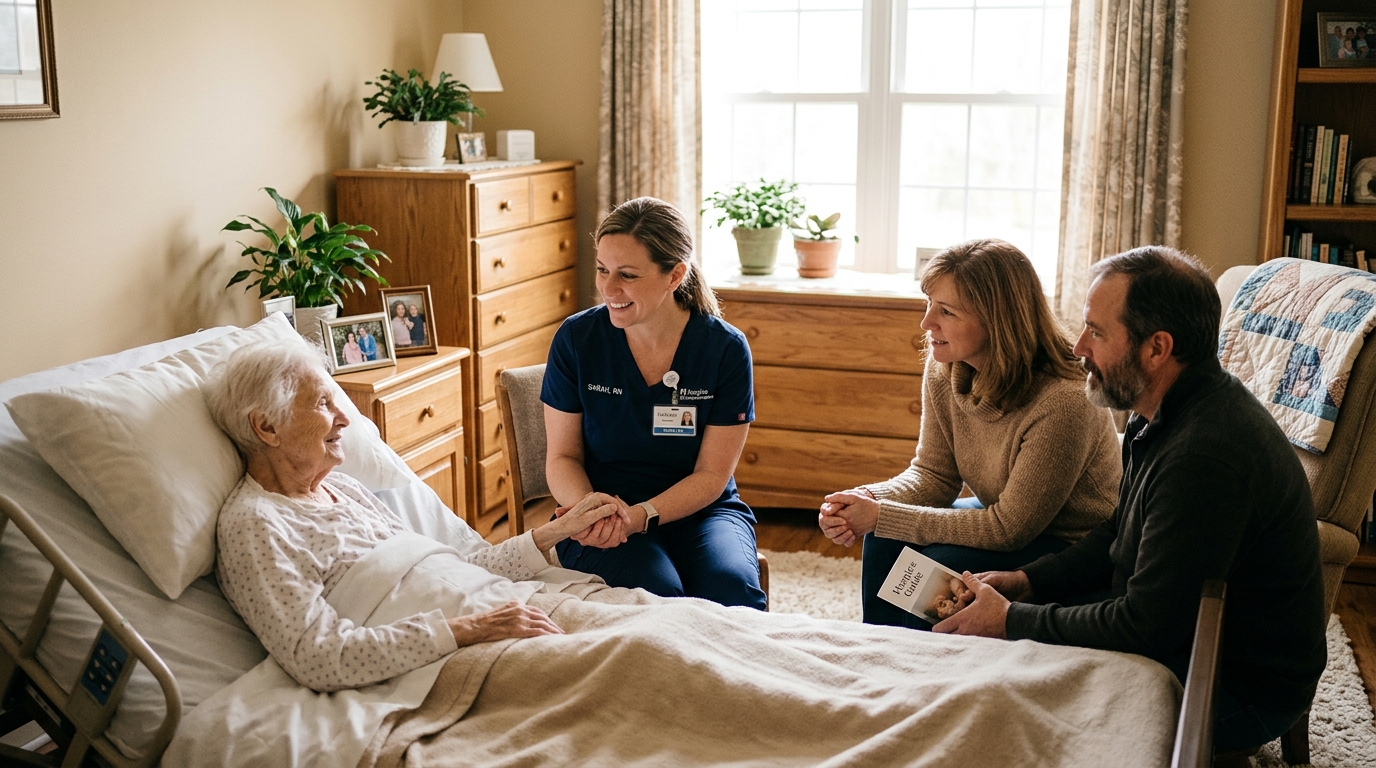
Facing the transition to end-of-life care brings immense emotional and physical challenges. Quality Hospice Education for Families provides the essential knowledge required to navigate this delicate journey. By understanding medical, emotional, and practical needs, caregivers can ensure comfort and dignity for their loved ones.
This comprehensive guide explores the critical components of managing a terminal diagnosis through expert support systems. You will learn practical caregiving skills, discover how to utilize your medical team effectively, and find resources for navigating grief. Empower yourself with the confidence and tools necessary to provide compassionate, high-quality care during life’s most difficult moments.
Understanding Hospice Education for Families
When a physician recommends hospice, many people feel a profound sense of overwhelm and confusion. The primary goal of Hospice Education for Families is to replace that fear with actionable knowledge and empowerment. Hospice is not merely a physical location; it is a specialized philosophy of care designed to maximize quality of life when curative treatments are no longer viable.
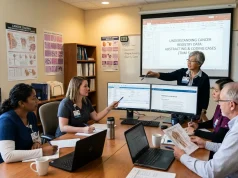
Educating family members forms the foundation of this care model. Medical professionals understand that the patient’s loved ones usually act as the primary daily caregivers. Therefore, nurses, social workers, and chaplains dedicate significant time to teaching you how to administer medications, recognize pain signals, and provide physical comfort. This instruction ensures that the home environment remains safe, calm, and supportive.
Furthermore, education reduces the anxiety associated with the unknown. By learning what physical and psychological changes to expect as an illness progresses, you can prepare yourself mentally. This proactive approach prevents panic during sudden symptom shifts and allows you to focus entirely on spending meaningful time with your loved one.
The Role of the Care Team in End-of-Life Support
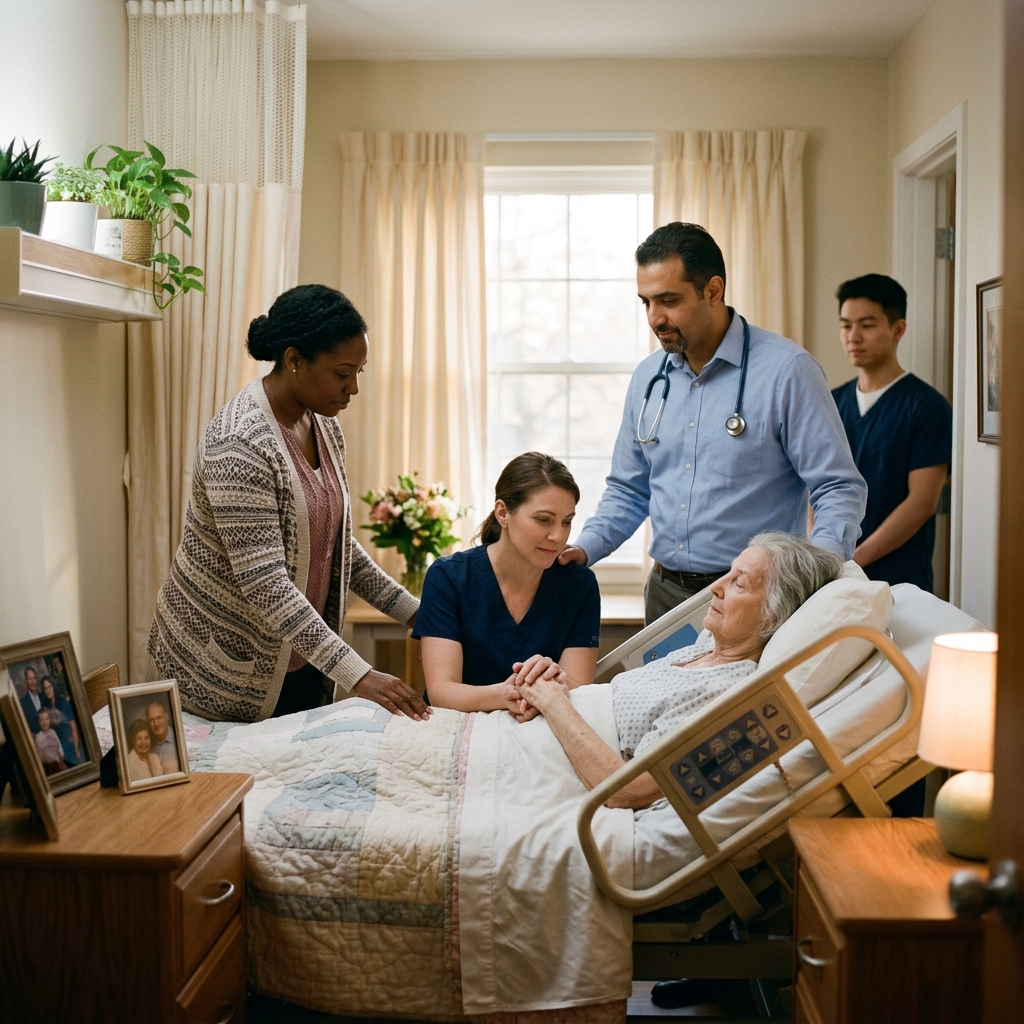
A robust hospice program relies on an interdisciplinary team of professionals. Understanding how to interact with and utilize each member of this team is a core component of your educational journey.
Medical Symptom Management
Registered nurses and hospice physicians lead the charge in symptom management. They will teach you exactly how to evaluate your loved one’s pain levels, even if the patient can no longer communicate verbally. You will learn the proper dosages and schedules for pain relief medications, anxiety reducers, and treatments for shortness of breath. The medical team remains on call around the clock, providing you with a continuous safety net.
Emotional and Psychological Guidance
Social workers and counselors play an equally vital role in your support system. They help families navigate the complex emotional landscape of anticipatory grief. Additionally, social workers can assist with practical matters, such as finalizing advance directives, understanding insurance benefits, and coordinating auxiliary community resources. Their guidance ensures that the emotional weight of caregiving does not crush the family unit.
Spiritual Care and Comfort
Chaplains and spiritual counselors are available to support patients and families of all faith backgrounds, including those who do not identify with a specific religion. They facilitate conversations about meaning, legacy, and unresolved emotional conflicts. This spiritual emotional support often brings profound peace to patients facing the end of their lives, helping them transition with dignity and a quiet mind.
Practical Skills Taught Through Hospice Training
Transitioning into the role of a medical caregiver at home requires learning specific, hands-on skills. Your hospice team will provide step-by-step training to ensure you feel completely capable of maintaining your loved one’s comfort.
Administering Medications Safely
You will receive comprehensive instruction on managing a specialized medication kit, often called a comfort kit. This includes learning how to measure liquid medications, apply transdermal patches, and safely administer sublingual drops. Nurses will teach you how to track dosage times and identify potential side effects, ensuring the patient remains pain-free without unnecessary complications.
Assisting with Personal Hygiene
Maintaining personal hygiene is crucial for a patient’s dignity and physical comfort. Education covers the safest ways to administer sponge baths, change adult incontinence products, and brush teeth or swab the mouth of a bedbound individual. These tasks can feel intimidating initially, but professional guidance makes them manageable and safe for both the caregiver and the patient.
Preventing Physical Complications
Immobility brings risks such as pressure ulcers (bedsores) and joint stiffness. You will learn specific techniques for turning and repositioning your loved one every few hours using draw sheets and specialized pillows. These preventative measures are essential for avoiding secondary pain and maintaining the integrity of the patient’s skin.
Recognizing the Signs of Decline
One of the most valuable aspects of hospice education is learning the natural trajectory of the dying process. While every individual’s journey is unique, certain physiological changes are universal.
- Changes in breathing patterns, including long pauses between breaths or shallow panting.
- A natural, gradual decrease in appetite and thirst as the body’s digestive system slows down.
- Increased periods of deep sleep or an inability to fully wake up and engage in conversation.
- Changes in skin color or temperature, particularly cooling in the hands and feet as circulation centralizes.
Understanding that these signs are a normal, painless part of the body shutting down helps families remain calm. Instead of viewing these changes as medical emergencies requiring a hospital visit, educated families recognize them as cues to increase physical closeness, speak softly, and provide gentle comfort.
Common Mistakes to Avoid During Hospice Care
Caregiving under immense emotional stress easily leads to preventable errors. Being aware of these common pitfalls can significantly improve the hospice experience.
- Forcing Food and Water: It is a natural human instinct to show love through feeding. However, forcing a dying patient to eat or drink when their body can no longer process intake can cause severe discomfort, choking, or aspiration.
- Waiting Too Long to Administer Pain Medication: Many families fear causing addiction or overdosing their loved one, so they wait until pain becomes severe before giving medication. It is much harder to control severe pain than to prevent it. Follow the nurse’s schedule strictly.
- Ignoring Caregiver Needs: Failing to eat, sleep, or step away from the bedside rapidly leads to severe caregiver burnout. You cannot provide quality care if you are physically and mentally exhausted.
Pro Tips and Expert Insights for Family Caregivers

Drawing from the experience of seasoned hospice professionals, these expert tips can elevate the level of care and peace in your home.
- Create a soothing environment: Dim the harsh overhead lights, play soft, familiar music, and regulate the room temperature. A calm environment drastically reduces patient anxiety and agitation.
- Keep a detailed care log: Use a dedicated notebook to record every medication dose, bowel movement, and significant symptom change. This log provides invaluable data for the hospice nurse during their visits.
- Talk to them, not about them: Hearing is widely considered the last sense to fade. Always assume your loved one can hear and understand you. Share positive memories, offer words of love, and give them permission to let go.
Comparing Care Models: Palliative vs. Hospice
Understanding the distinct differences between care models helps families make the right choices at the right time.
|
Feature |
Palliative Care |
Hospice Care |
|---|---|---|
|
Primary Goal |
Symptom relief alongside curative treatment |
Comfort and quality of life without curative intent |
|
Eligibility |
Any stage of a serious, chronic illness |
Terminal diagnosis with a prognosis of 6 months or less |
|
Location |
Usually hospitals or specialized clinics |
Wherever the patient lives (home, facility, or hospice center) |
|
Treatment Approach |
Can include aggressive therapies like chemo |
Focuses entirely on pain management and emotional peace |
Managing Caregiver Burnout and Finding Respite
The physical and emotional demands of providing around-the-clock care cannot be overstated. Hospice education emphasizes that caring for yourself is a non-negotiable requirement of caring for your loved one.
Caregiver burnout manifests as profound physical exhaustion, irritability, depression, and a weakened immune system. To combat this, hospice programs offer respite care benefits. Respite care allows the patient to be temporarily transferred to a Medicare-certified inpatient hospice facility for up to five days. During this time, the primary family caregivers can sleep, tend to their own medical needs, or simply step away from the heavy responsibilities of their role.
Additionally, families should actively utilize hospice volunteers. Volunteers undergo extensive training and can sit with the patient, read to them, or run light errands, allowing the primary caregiver to take a walk, shower, or attend a support group. Accepting help is not a sign of weakness; it is a strategic necessity for long-term endurance.
Navigating Grief and Bereavement Support

Hospice care does not end when the patient passes away. A comprehensive program provides bereavement support to the surviving family members for at least thirteen months following the loss. This duration is intentional, ensuring that families have professional support as they navigate the difficult milestones of the first holidays, birthdays, and the anniversary of the death.
Bereavement services include one-on-one grief counseling, specialized support groups, and memorial services. Grief is an unpredictable, non-linear process that affects everyone differently. Professional counselors help you process feelings of guilt, anger, profound sadness, and eventually, acceptance. By engaging with these educational and supportive resources, families can find a path forward and learn to carry their memories with love rather than debilitating pain.
Conclusion
Embracing proper Hospice Education for Families transforms a daunting, frightening experience into a journey of profound connection and compassion. By leaning on your care team, mastering practical skills, and prioritizing emotional well-being, you provide the ultimate gift of dignity to your loved one. Reach out to your local hospice provider today to access the training, support, and resources your family deserves.
Frequently Asked Questions
1. What exactly does Hospice Education for Families cover?
It covers a wide range of topics, including administering medications, recognizing the physical signs of the dying process, managing personal hygiene for a bedbound patient, and utilizing emotional and spiritual support systems effectively.
2. Is hospice care only provided in a specialized facility?
No, the vast majority of hospice care is provided wherever the patient calls home. This can be a private residence, an assisted living facility, or a nursing home. The hospice team brings the education and medical care directly to you.
3. How do I know when it is the right time to start hospice?
Hospice is appropriate when a physician determines that a patient has a life expectancy of six months or less if the disease follows its natural course, and the patient chooses to forgo further curative treatments in favor of comfort care.
4. Will hospice staff be at my house 24/7?
Typically, no. Hospice staff make scheduled visits based on the patient’s care plan. However, the hospice team is available by phone 24/7 to answer questions, provide guidance, and dispatch a nurse for emergency symptom management if necessary.
5. What is a hospice comfort kit?
A comfort kit is a small supply of essential medications kept in the refrigerator or a secure spot in the home. It contains fast-acting drugs for pain, anxiety, nausea, and breathing difficulties, ensuring you can treat sudden symptoms immediately after consulting the triage nurse.
6. Can my loved one continue to see their primary care doctor?
Yes. Your loved one’s primary care physician or specialist can remain involved in their care, working collaboratively with the hospice medical director to oversee the comfort care plan.
7. Does Medicare cover the cost of hospice education and care?
Yes, the Medicare Hospice Benefit covers 100% of the cost of care related to the terminal diagnosis. This includes nursing visits, medical equipment (like hospital beds), medications for symptom relief, and all educational and counseling services for the family.
8. What happens if my loved one’s condition unexpectedly improves?
If a patient’s condition stabilizes or improves significantly, they can be discharged from hospice care. They can always be re-evaluated and readmitted to the program later if their condition begins to decline again.
9. How do we explain hospice to young children in the family?
Hospice social workers and bereavement counselors are trained to help you communicate with children. They provide age-appropriate language, books, and therapeutic activities to help children understand the illness and the impending loss without causing unnecessary trauma.
10. How can I manage my own grief while actively caregiving?
Acknowledge your anticipatory grief by speaking openly with the hospice social worker or chaplain. Utilize respite care to take mental breaks, join a caregiver support group, and allow yourself to feel your emotions without judgment while focusing on creating meaningful final memories.