
Data drives modern healthcare, especially in cancer research and treatment. If you want to impact patient outcomes without providing direct clinical care, understanding Tumor Registrar Education is your first step. This guide reveals how to launch a rewarding career managing critical oncology data.
This comprehensive guide explores the essential components of Tumor Registrar Education, detailing the necessary training programs and certification pathways required for success. You will discover lucrative career opportunities, learn how to avoid common professional pitfalls, and gain expert insights to help you thrive as an oncology data specialist.
What is Tumor Registrar Education?
Tumor Registrar Education forms the foundation for professionals who manage, collect, and analyze cancer patient data. These individuals play a critical role in the fight against cancer. By meticulously documenting patient histories, diagnoses, treatments, and long-term outcomes, registrars provide the data that researchers and public health officials rely on to improve cancer care.
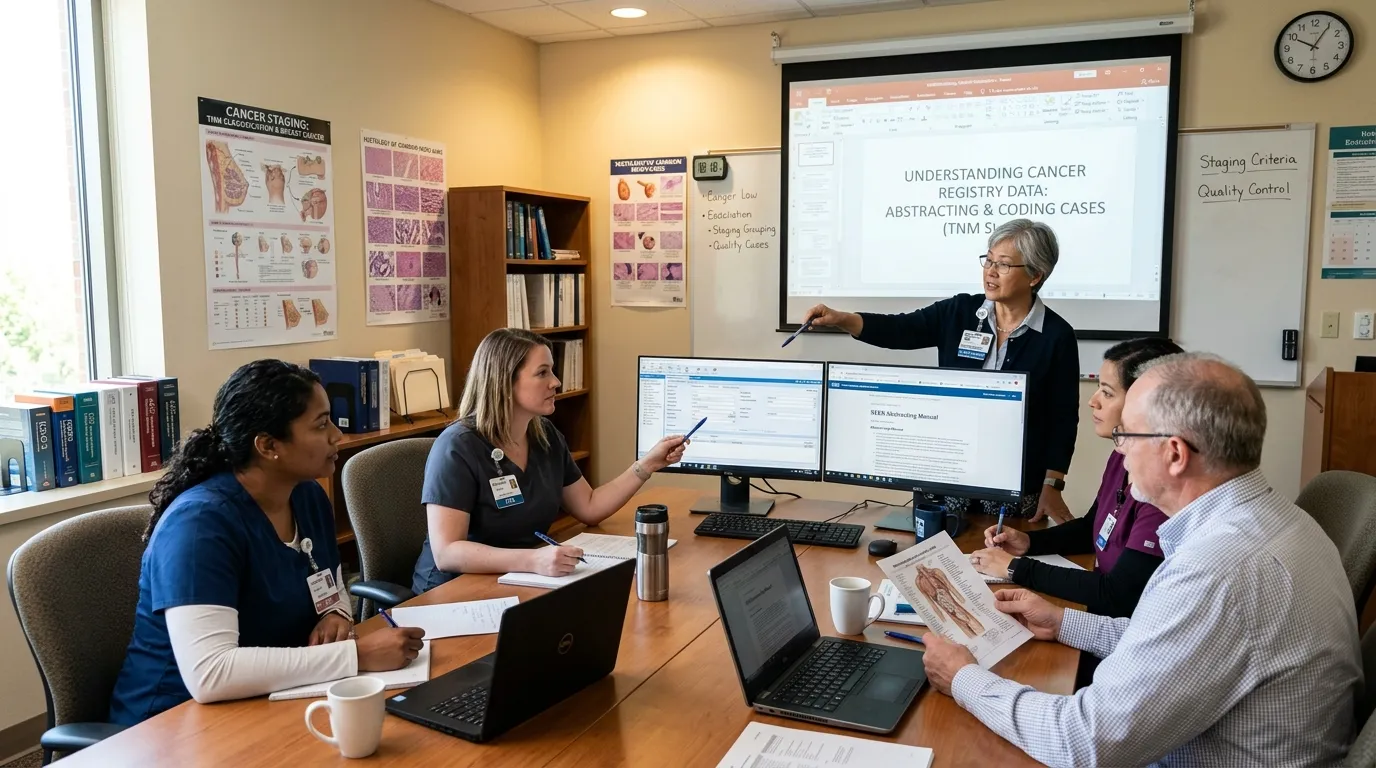
Proper Tumor Registrar Education equips you with a highly specialized skill set. You learn how to translate complex medical terminology into standardized codes. This process requires a deep understanding of human anatomy, physiology, pathophysiology, and pharmacology. You also learn the specific rules of data abstraction and cancer staging. Organizations like the American Joint Committee on Cancer (AJCC) and the Facility Oncology Registry Data Standards (FORDS) dictate how this information must be recorded.
Why is Tumor Registrar Education so important? Without accurate data, clinical research stalls. Hospitals use registry data to evaluate treatment efficacy, secure funding, and allocate resources. State and national health organizations use it to track cancer incidence rates and identify high-risk populations. By pursuing formal Tumor Registrar Education, you ensure that this life-saving data remains accurate, comprehensive, and standardized across the entire healthcare industry.
Furthermore, Tumor Registrar Education prepares you to navigate the strict privacy and compliance regulations surrounding patient data. Health Insurance Portability and Accountability Act (HIPAA) compliance is a massive part of the job. Registrars must handle sensitive medical records with the utmost confidentiality. Through structured Tumor Registrar Education programs, students learn the ethical and legal responsibilities tied to managing healthcare information.
Training and Certification Pathways

Embarking on your Tumor Registrar Education journey involves choosing the right academic and professional training pathways. The National Cancer Registrars Association (NCRA) establishes the standards for these programs, ensuring that graduates are fully prepared for the demands of the job.
Academic Programs and Coursework
The first step in your Tumor Registrar Education is completing an accredited academic program. Many community colleges and universities offer certificate programs or associate degrees specifically in Cancer Registry Management (CRM) or Health Information Management (HIM).
Your Tumor Registrar Education coursework will typically cover:
- Medical terminology and human anatomy
- Cancer disease coding and staging
- Oncology treatment modalities
- Cancer registry operations and management
- Healthcare databases and health information systems
- Biostatistics and epidemiology
These courses teach you how to read a medical chart, understand the patient’s journey, and extract the necessary data points. You will practice using coding systems like the International Classification of Diseases for Oncology (ICD-O). This rigorous academic foundation is what makes Tumor Registrar Education so valuable to healthcare employers.
Clinical Practicums
A crucial component of Tumor Registrar Education is the clinical practicum. You cannot learn how to be a registrar solely from a textbook. A practicum places you in a real-world cancer registry, typically within a hospital or a central state registry. Under the supervision of an experienced registrar, you will practice abstracting actual medical records, coding diagnoses, and following up on patient statuses.
This hands-on experience bridges the gap between classroom theory and daily practice. It allows you to navigate electronic health record (EHR) systems and understand the workflow of a functioning registry. Most accredited Tumor Registrar Education programs require at least 160 hours of practicum experience before graduation.
Earning Your Certification
The ultimate goal of your Tumor Registrar Education is earning your professional certification. Historically known as the Certified Tumor Registrar (CTR) credential, the NCRA recently updated the title to Oncology Data Specialist (ODS). This credential proves your expertise and is required by most hospitals accredited by the Commission on Cancer.
To sit for the ODS exam, you must meet specific eligibility routes defined by the NCRA. These routes generally require a combination of college-level education, completion of an NCRA-accredited CRM program, and clinical practicum experience. The exam tests your knowledge of data collection, coding, abstracting, registry operations, and follow-up procedures.
Passing the ODS exam validates your Tumor Registrar Education and instantly makes you a highly competitive candidate in the job market. After earning the credential, you must maintain it through continuing education, ensuring your skills stay current with evolving cancer treatments and staging guidelines.
Career Opportunities and Growth of Tumor Patient

Completing your Tumor Registrar Education opens doors to a stable, growing, and lucrative career path. As the population ages and cancer treatments become more complex, the demand for accurate oncology data continues to skyrocket.
Diverse Work Environments
With a solid Tumor Registrar Education, you are not limited to working in a single setting. Cancer registrars find employment in a variety of healthcare environments:
- Hospitals and Treatment Centers: The most common setting. Here, you collect data on patients diagnosed and treated within the facility, helping the hospital maintain its oncology accreditation.
- Central and State Registries: These population-based registries collect data from all hospitals in a specific region. Registrars here focus on tracking broad cancer trends and public health statistics.
- Research Institutions: Registrars assist clinical trials by providing data on specific cancer types, helping researchers identify eligible patients and track long-term treatment outcomes.
- Pharmaceutical Companies: Companies developing new cancer drugs rely on registry data to understand disease prevalence and evaluate market needs.
Remote Work Flexibility
One of the most attractive aspects of a career following your Tumor Registrar Education is the flexibility it offers. Because the job primarily involves reviewing electronic medical records and entering data into secure databases, many registrars work remotely. Healthcare facilities and third-party abstracting companies frequently hire remote workers, allowing you to manage your schedule and enjoy a healthy work-life balance while still making a significant impact on cancer care.
Salary Expectations and Advancement
Your investment in Tumor Registrar Education yields excellent financial returns. While salaries vary by geographic location, experience, and specific employer, certified Oncology Data Specialists earn competitive wages. Entry-level registrars typically enjoy strong starting salaries, with excellent benefits packages offered by major healthcare networks.
As you gain experience, you can move into supervisory or management roles. Registry managers oversee a team of abstractors, ensure compliance with state reporting laws, and prepare data for hospital cancer committees. Others transition into specialized roles like data quality analysts or clinical research coordinators, proving the versatility of comprehensive Tumor Registrar Education.
Common Mistakes to Avoid
While navigating your Tumor Registrar Education and early career, it is easy to make missteps. Avoiding these common mistakes will save you time and frustration.
Rushing Through Anatomy and Medical Terminology

A frequent mistake students make during their Tumor Registrar Education is underestimating the importance of foundational courses like anatomy and medical terminology. You might be tempted to skim this material to get to the “registry specific” classes. However, if you do not understand the intricate details of human anatomy, you cannot accurately stage a tumor. Take the time to master these basics; they are the bedrock of your daily work.
Skipping the Practicum
Some individuals try to find alternate routes to certification that bypass a formal clinical practicum. This is a massive disadvantage. The practicum provides the muscle memory needed to navigate complex patient charts. Without this hands-on aspect of Tumor Registrar Education, transitioning into a full-time role becomes incredibly overwhelming. Always choose an education path that includes structured, supervised clinical experience.
Neglecting Continuing Education
Tumor Registrar Education does not end once you pass the ODS exam. Cancer staging rules, treatment guidelines, and coding manuals update frequently. A common career mistake is failing to stay current with these changes. To remain effective and maintain your credential, you must actively participate in continuing education. Attend workshops, read industry journals, and participate in NCRA webinars.
Relying Solely on Automated Tools
Modern registry software includes tools that help suggest codes or flag missing data. A mistake novice registrars make is blindly trusting these automated prompts without applying critical thinking. Your Tumor Registrar Education teaches you to analyze the nuance of a physician’s notes. Always use your training to verify data; software is a helpful tool, but it cannot replace human expertise and analytical skills.
Pro Tips and Expert Insights
To truly excel in your Tumor Registrar Education and subsequent career, consider these expert strategies and actionable insights.
Find a Mentor Early
The cancer registry field is incredibly supportive. One of the best things you can do during your Tumor Registrar Education is to connect with an experienced Oncology Data Specialist. A mentor can help you understand confusing abstracting rules, offer advice on preparing for the certification exam, and introduce you to professional networks. Reach out to your local state registry association to find networking opportunities.
Master Time Management and Organization
Data abstraction requires intense focus and an eye for detail. As you transition from Tumor Registrar Education to the workforce, you will face quotas and deadlines for reporting cases to the state. Develop a systematic approach to reading medical charts. Learn how to quickly scan pathology reports, operative notes, and discharge summaries for the exact data points you need. Strong organizational skills will reduce your stress and increase your accuracy.
Leverage NCRA Resources
The National Cancer Registrars Association offers a wealth of resources to support your Tumor Registrar Education. Utilize their online learning modules, exam preparation guides, and practice tests. The NCRA’s Center for Cancer Registry Education is an invaluable tool for students and seasoned professionals alike. Becoming a member of the association early in your education shows dedication and grants you access to exclusive job boards and educational discounts.
Conclusion
Pursuing formal Tumor Registrar Education is a powerful way to enter the healthcare field and make a lasting impact on cancer research and patient care. By understanding the training pathways, earning your ODS certification, and applying expert insights, you position yourself for a stable and rewarding career. Start exploring accredited programs today and take the first step toward becoming an essential part of the oncology data community.
FAQs
1. What exactly does a tumor registrar do?
A tumor registrar, or Oncology Data Specialist, reviews cancer patients’ medical records to extract detailed information about their diagnosis, treatment, and ongoing health status. They translate this clinical information into standardized codes and enter it into a secure database. This data is then used by researchers, physicians, and public health officials to track cancer trends and improve patient care.
2. How long does Tumor Registrar Education take?
The duration of Tumor Registrar Education varies based on the path you choose. A certificate program can take anywhere from 9 to 12 months to complete, provided you already have some college credits. An associate degree program specifically focused on cancer registry management typically takes about two years.
3. Do I need a bachelor’s degree to become a tumor registrar?
No, a bachelor’s degree is not strictly required. To be eligible for the certification exam, you generally need an associate degree or a minimum of 60 college-level credits that include specific coursework like anatomy and physiology, combined with an accredited Tumor Registrar Education certificate program.
4. What is the ODS credential?
The ODS (Oncology Data Specialist) credential is the professional certification for tumor registrars. It was formerly known as the Certified Tumor Registrar (CTR) credential. Earning the ODS proves you have met the rigorous national standards for Tumor Registrar Education and possess the expertise required to manage cancer data accurately.
5. Is the certification exam difficult?
Yes, the ODS exam is challenging and requires thorough preparation. It tests your knowledge of complex coding rules, anatomy, registry operations, and data abstraction. Comprehensive Tumor Registrar Education and dedicated study using practice exams are essential for passing.
6. Can I work from home after completing my Tumor Registrar Education?
Yes, remote work is very common in this field. Because the work involves accessing electronic medical records and databases via secure internet connections, many hospitals, central registries, and contracting companies hire registrars to work entirely from home.
7. What is the difference between a tumor registrar and a medical coder?
While both roles involve translating medical information into codes, a tumor registrar focuses exclusively on cancer cases and tracks the patient’s lifetime history with the disease. Medical coders handle a wide variety of diagnoses and procedures primarily for insurance billing and reimbursement purposes.
8. Is there a high demand for professionals with Tumor Registrar Education?
Yes, the demand is incredibly high. As the population ages, cancer incidence rates rise, leading to more data that needs to be abstracted. Additionally, many veteran registrars are retiring, creating numerous job openings for newly certified professionals.
9. What is a clinical practicum?
A clinical practicum is a required part of accredited Tumor Registrar Education. It is a hands-on training experience where you work in an actual cancer registry under the supervision of a certified registrar. You practice abstracting real medical records, which bridges the gap between classroom learning and real-world application.
10. How do I keep my certification active?
Once you earn your ODS credential, you must complete a specific number of continuing education hours every cycle (usually every two years) to maintain it. Continuing your Tumor Registrar Education ensures you stay updated on the latest cancer staging rules, coding guidelines, and treatment advancements.