

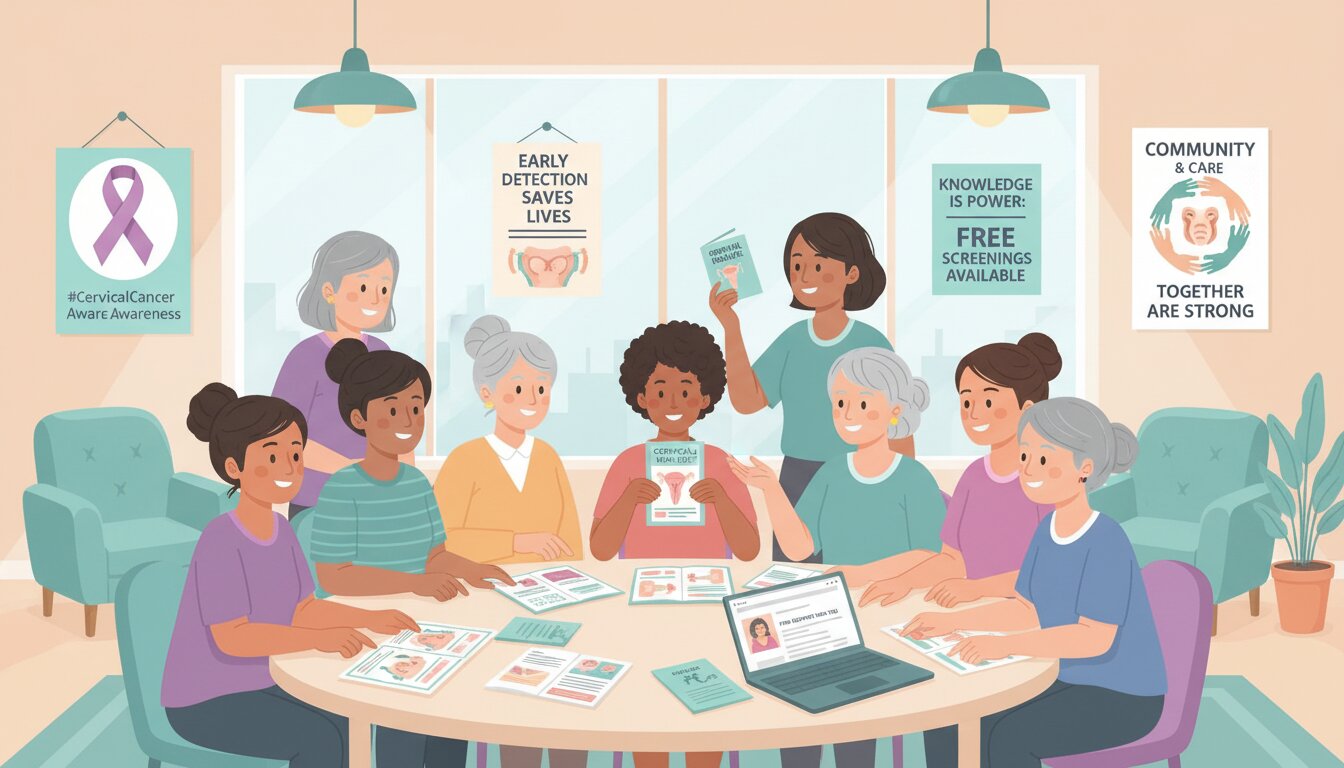
A cervical cancer diagnosis brings overwhelming questions and uncertainties. Finding reliable Cervical Cancer Resources is the first step toward regaining control. This guide connects you with essential information, treatment pathways, and support networks to empower your healthcare journey and overall well-being.
This comprehensive guide provides an in-depth overview of essential Cervical Cancer Resources. You will explore the root causes and symptoms of the disease, available medical treatments, and vital emotional support networks. By highlighting common pitfalls to avoid and sharing expert tips, this article equips you to make informed, confident decisions.
Understanding Cervical Cancer
Cervical cancer originates in the cells of the cervix, which connects the uterus to the vagina. It typically develops slowly over time. Before cancer appears, the cells undergo abnormal changes known as dysplasia.
Identifying the root causes and recognizing early warning signs are critical components of effective disease management. Utilizing available Cervical Cancer Resources helps patients and their families understand the biological mechanisms driving the condition.
Causes and Risk Factors
The primary cause of nearly all cervical cancers is the human papillomavirus (HPV). HPV is a common virus passed through skin-to-skin contact. While most HPV infections clear up on their own, certain high-risk strains persist and cause cellular mutations.
Several other risk factors can increase your likelihood of developing this disease. Smoking tobacco damages the DNA of cervical cells and weakens the immune system. Having a compromised immune system, such as living with HIV, also makes it harder for the body to fight off HPV infections. Long-term use of oral contraceptives may slightly elevate your risk as well.
Identifying the Symptoms
In its earliest stages, cervical cancer often produces no noticeable symptoms. This silent progression makes routine screenings absolutely essential. As the abnormal cells become cancerous and invade deeper tissues, physical warning signs begin to emerge.
The most common symptom is abnormal vaginal bleeding. This can occur between menstrual periods, after intercourse, or after menopause. Women may also experience unusual vaginal discharge that is watery, bloody, or has a foul odor. Pelvic pain or pain during intercourse are also key indicators that require immediate medical evaluation.
Effective Prevention Strategies
Prevention is the most powerful tool against cervical cancer. The HPV vaccine is highly effective at preventing infections from the most dangerous virus strains. Doctors recommend administering the vaccine to preteens, but it remains beneficial for young adults.
Routine screenings are another cornerstone of prevention. A Pap test looks for precancerous cell changes on the cervix so they can be treated before turning into cancer. An HPV test specifically checks for the virus that causes these cellular changes. Speaking with a healthcare provider about the best screening schedule for your age and health history is vital.
Available Treatment Options

Once a diagnosis is confirmed, your medical team will design a personalized care plan. Treatment depends heavily on the stage of the cancer, your overall health, and your personal preferences.
Accessing robust Cervical Cancer Resources allows you to explore these options thoroughly. Modern medicine offers several highly effective pathways to eradicate the cancer and prevent recurrence.
Surgical Interventions
Surgery is often the first line of defense for early-stage cervical cancer. The goal is to remove the cancerous tissue entirely. For very small tumors, doctors might perform a cone biopsy, removing a cone-shaped piece of cervical tissue while preserving fertility.
In more advanced cases, a hysterectomy may be necessary. A simple hysterectomy removes the cervix and uterus. A radical hysterectomy removes the cervix, uterus, part of the vagina, and surrounding lymph nodes. Your surgical team will discuss the implications of each procedure, particularly regarding future fertility.
Radiation Therapy
Radiation therapy uses high-powered energy beams to destroy cancer cells. It is frequently used alongside chemotherapy for more advanced stages. External beam radiation therapy directs radiation at your pelvis from a machine outside your body.
Brachytherapy, or internal radiation, places a radiation source directly inside the vagina, close to the targeted area. Combining both methods is common for treating larger tumors. While effective, radiation can cause side effects like fatigue, skin irritation, and changes to bowel or bladder habits.
Chemotherapy
Chemotherapy utilizes powerful medications to kill rapidly dividing cancer cells throughout the body. It is often administered intravenously. For localized cervical cancer, doctors use low-dose chemotherapy concurrently with radiation to make the radiation more effective.
For advanced cancer that has spread beyond the pelvis, higher doses of chemotherapy are used to control the disease and relieve symptoms. Patients frequently experience hair loss, nausea, and a weakened immune system during treatment. Working with your care team to manage these side effects is a crucial part of the healing process.
Targeted Therapy and Immunotherapy
Targeted therapies focus on specific weaknesses present within cancer cells. For example, some drugs block the formation of new blood vessels that tumors need to grow. These medications are often combined with chemotherapy for advanced or recurrent cases.
Immunotherapy is a biological treatment that empowers your immune system to fight the cancer. Drugs like pembrolizumab block proteins that cancer cells use to hide from your immune cells. This treatment is particularly promising for patients whose cancer has returned or spread, offering a highly precise approach with distinct side effects compared to traditional chemotherapy.
Treatment Comparison
|
Treatment Type |
Primary Goal |
Common Use Case |
Potential Side Effects |
|---|---|---|---|
|
Surgery |
Remove localized tumors |
Early-stage cancer |
Pain, bleeding, fertility impact |
|
Radiation |
Destroy targeted cancer cells |
Locally advanced cancer |
Fatigue, tissue irritation |
|
Chemotherapy |
Kill rapidly dividing cells |
Advanced or spreading cancer |
Nausea, hair loss, fatigue |
|
Immunotherapy |
Boost immune system attack |
Recurrent or metastatic cancer |
Inflammation, immune reactions |
Emotional and Mental Health Support

Treating the physical disease is only one aspect of cancer care. The emotional toll of a diagnosis can be staggering, leading to anxiety, depression, and profound stress.
Prioritizing your mental well-being is critical for a successful recovery. Engaging with emotional and mental Cervical Cancer Resources ensures you do not have to walk this path alone.
Finding Support Groups
Connecting with others who understand exactly what you are experiencing provides immense comfort. Support groups offer a safe space to share fears, triumphs, and practical advice. You can find local, in-person groups through your hospital or regional cancer centers.
Online support communities are also incredibly valuable. They provide 24/7 access to a global network of patients and survivors. Reading about another person’s successful journey or learning how they managed a specific side effect can dramatically reduce feelings of isolation.
Professional Counseling
Sometimes, the emotional weight of cancer requires professional intervention. Oncology social workers and licensed therapists specialize in helping patients cope with a diagnosis. They teach actionable strategies to manage anxiety, communicate effectively with loved ones, and process grief.
Couples counseling can also be beneficial. A cervical cancer diagnosis often impacts intimacy and family dynamics. Having a neutral, professional mediator helps partners navigate these complex changes together, strengthening their bond during a difficult time.
Utilizing Financial Navigators
The financial burden of cancer treatment adds a massive layer of stress to an already difficult situation. Financial navigators or financial counselors are available at most major cancer centers. They help you understand your insurance coverage and out-of-pocket costs.
These professionals can also connect you with grants, non-profit assistance programs, and pharmaceutical co-pay cards. Alleviating the stress of medical bills allows you to focus your energy entirely on your health and recovery.
Common Mistakes to Avoid of Cancer
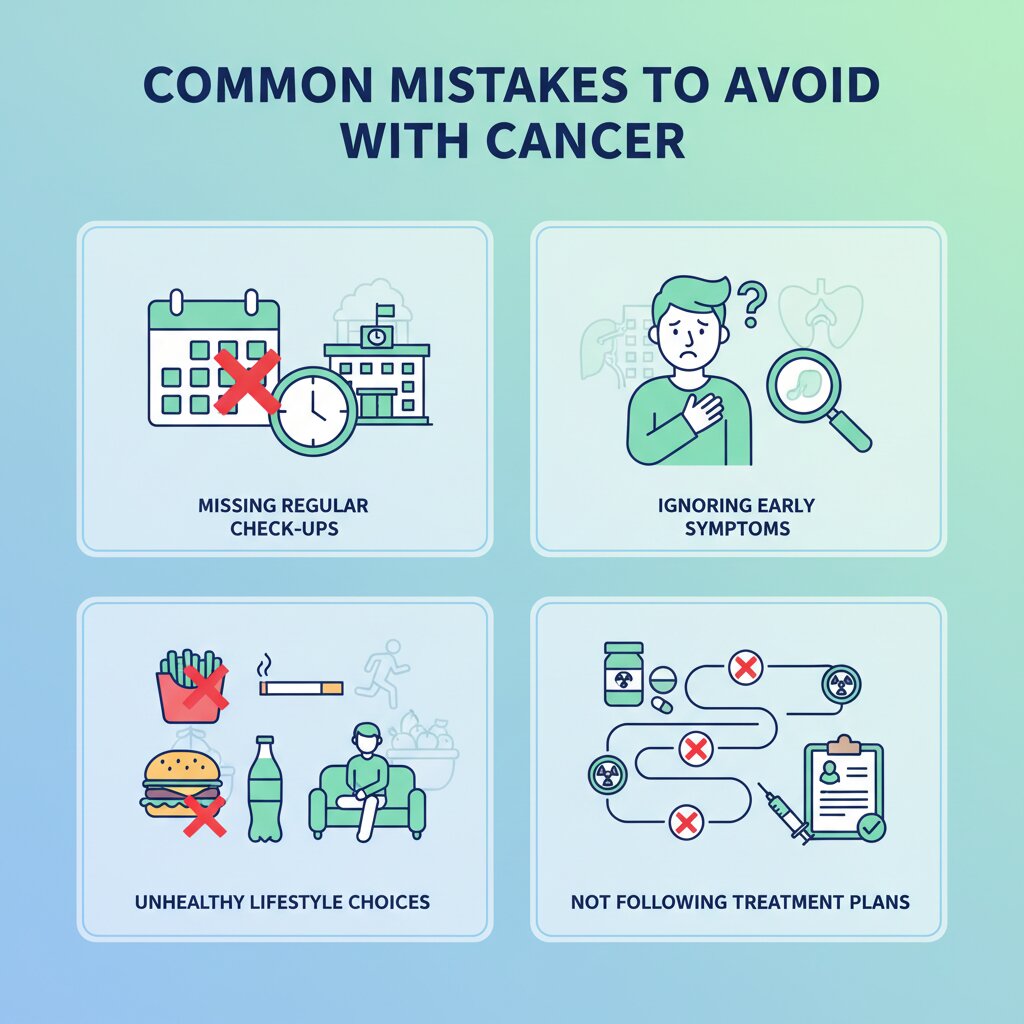
Navigating a complex healthcare system is challenging. Patients often make unintentional errors that can delay treatment or worsen outcomes. Being aware of these pitfalls empowers you to advocate effectively for your own health.
Skipping Routine Screenings
The most dangerous mistake is neglecting routine Pap and HPV tests. Many women believe that if they feel fine, they do not need to visit the gynecologist. Because early cervical cancer is asymptomatic, skipping these appointments allows abnormal cells to progress unchecked.
Always adhere to the screening schedule recommended by your doctor. If you lack health insurance, seek out local health departments or community clinics that offer free or low-cost preventative care services.
Ignoring Early Symptoms
Dismissing unusual pelvic pain, spotting, or discharge as normal hormonal fluctuations is a critical error. Your body signals when something is wrong. Waiting to see if symptoms disappear on their own can allow the cancer to advance to a more dangerous stage.
Contact your healthcare provider immediately if you notice any changes in your reproductive health. It is always better to rule out a minor infection than to ignore a potentially life-threatening condition.
Avoiding Second Opinions
When facing a cancer diagnosis, accepting the first treatment plan without question is a common mistake. Medicine is complex, and different oncologists have different experiences and perspectives.
Seeking a second opinion from a comprehensive cancer center provides peace of mind. It ensures that your pathology report is accurate and that you are exploring all available Cervical Cancer Resources, including clinical trials and advanced surgical techniques.
Pro Tips and Expert Insights
Empowering yourself with knowledge transforms you from a passive patient into an active participant in your care. Experts in gynecologic oncology offer several key strategies to optimize your treatment journey and long-term health.
Prioritize Early Detection
Oncologists stress that early detection is the single most important factor in surviving cervical cancer. When caught in the precancerous or localized stage, the survival rate is incredibly high. Make preventative care a non-negotiable part of your annual health routine.
Familiarize yourself with your family’s medical history. If you have a family history of reproductive cancers, your doctor may recommend starting screenings earlier or conducting them more frequently.
Make Supportive Lifestyle Changes
While medical treatments target the cancer, lifestyle choices support your body’s ability to heal. Experts highly recommend quitting smoking immediately. Nicotine and tobacco chemicals severely hinder your immune system and reduce the effectiveness of radiation therapy.
Focus on a nutrient-dense diet rich in fruits, vegetables, and lean proteins to maintain your strength. Incorporate gentle physical activity, like walking or yoga, to combat treatment-related fatigue and boost your mood. Always clear exercise routines with your doctor first.
Ask About Clinical Trials
Do not assume clinical trials are only for patients who have exhausted all other options. Many trials test new, highly effective treatments for early-stage disease. Participating in a trial can give you access to cutting-edge Cervical Cancer Resources years before they are widely available.
Ask your oncologist if you qualify for any ongoing studies. Even if you choose not to participate, understanding all your options ensures you are making the most informed decisions about your body.
Conclusion
Navigating a diagnosis is challenging, but utilizing comprehensive Cervical Cancer Resources makes a profound difference. By understanding your treatment options and seeking emotional support, you take charge of your health. Speak with your doctor today to access these tools and build a personalized, effective care plan for your recovery.
FAQs
1. What are the best Cervical Cancer Resources for newly diagnosed patients?
The best resources include your oncologist’s patient navigation team, the American Cancer Society, and the Foundation for Women’s Cancer. These organizations provide comprehensive guides, financial assistance programs, and connections to local support groups.
2. Is cervical cancer completely curable?
Yes, cervical cancer is highly curable when detected early. Treatments like surgery and localized radiation have excellent success rates for early-stage disease. Regular screenings are the best way to catch the disease when it is most treatable.
3. How does the HPV vaccine prevent cervical cancer?
The HPV vaccine triggers your immune system to produce antibodies against the high-risk strains of the human papillomavirus. If you are exposed to the virus later, these antibodies prevent the virus from infecting your cervical cells and causing cancerous mutations.
4. What happens if I have an abnormal Pap smear?
An abnormal Pap smear does not mean you have cancer. It means that abnormal cells were found on your cervix. Your doctor will likely recommend a colposcopy, which is a closer examination of the cervix, and possibly a biopsy to determine the exact nature of the cells.
5. Will I lose my hair during cervical cancer treatment?
Hair loss depends entirely on the specific treatment. Surgery and radiation do not cause hair loss on your head. However, certain systemic chemotherapy drugs used to treat cervical cancer can cause temporary hair thinning or loss.
6. Can I still have children after cervical cancer treatment?
Fertility preservation is possible in some early-stage cases through procedures like a cone biopsy or trachelectomy. However, treatments like a hysterectomy or pelvic radiation will result in infertility. Discuss your desire for future children with your oncologist before beginning treatment.
7. How can I manage the side effects of radiation therapy?
Managing radiation side effects involves close communication with your care team. They may prescribe topical creams for skin irritation and medications for bowel discomfort. Resting frequently and staying highly hydrated also help combat radiation fatigue.
8. Are there financial assistance programs for cervical cancer patients?
Yes. Many pharmaceutical companies offer co-pay assistance for targeted therapies and immunotherapies. Additionally, non-profit organizations and hospital social workers can help you secure grants to cover transportation, lodging, and daily living expenses during treatment.
9. What role does diet play in cervical cancer recovery?
A balanced diet helps your body repair tissues damaged by cancer treatments and maintains your immune system. While no specific food cures cancer, prioritizing whole foods, lean proteins, and plenty of fluids helps manage treatment side effects and boosts your energy levels.
10. How often do I need follow-up appointments after treatment?
After completing treatment, you will enter a surveillance phase. Initially, you will see your oncologist every three to six months for physical exams, Pap tests, and imaging scans. As more time passes without a recurrence, these appointments will become less frequent.